Product Description
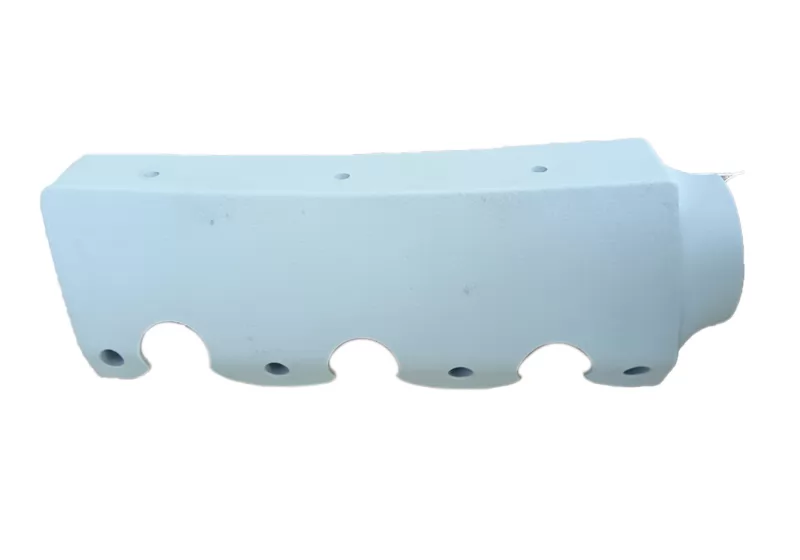
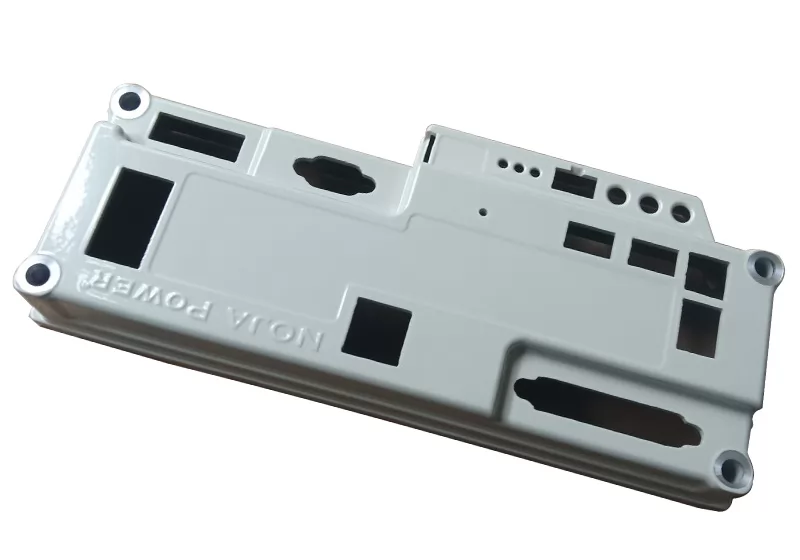
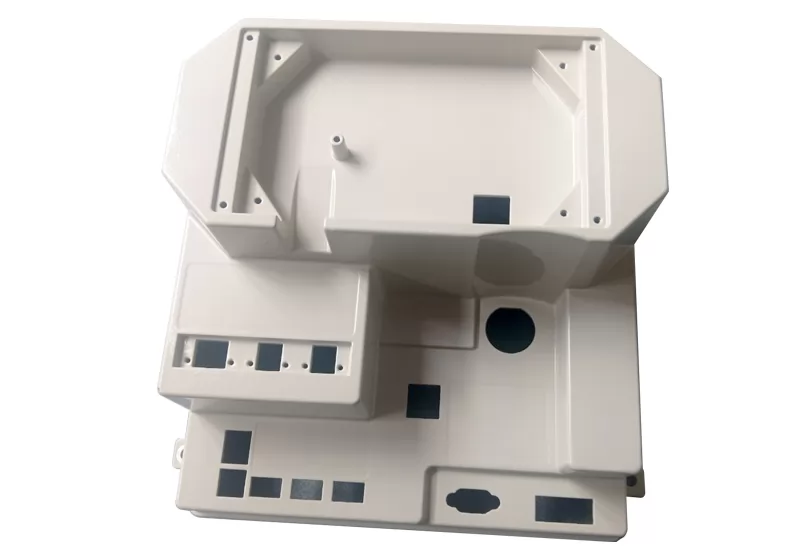
This is a customer to customize dental chair armrest aluminum casting, is an important part of the dental chair, using ADC12 material. Its main role is:
1. as an important structural support member, bearing weight, keeping the chair stable, connecting various parts of the structure.
2. It may also be a functional component bracket to ensure precise positioning and flexible adjustment of medical equipment during procedures.
3. ergonomic aids
Aluminum casting parts are used in dental chairs, which have the advantages of light weight, moderate strength, good corrosion resistance, good thermal conductivity, etc., which are suitable for the environmental use requirements of dental chairs. The finished product fully meets the customer's design objectives, providing a higher performance and more reliable solution for this type of medical equipment design.
The aluminum casting of this dental chair adopts aluminum high-pressure die-casting one-piece molding plus cnc machining process, and the final surface treatment is powder coating. Compared with other aluminum casting process, it has the characteristics of high precision, small tolerance, small wall thickness, high production efficiency, low material loss, light weight but high strength, which perfectly fits the mass production demand of this dental chair parts.
Customized aluminum high-pressure die castings are not only well reflected in this dental chair, but also can be widely used in medical devices, industrial automation control equipment, electric motors, instrumentation and other products. No matter what kind of specification or design, it can get a good matching application.
Production Process
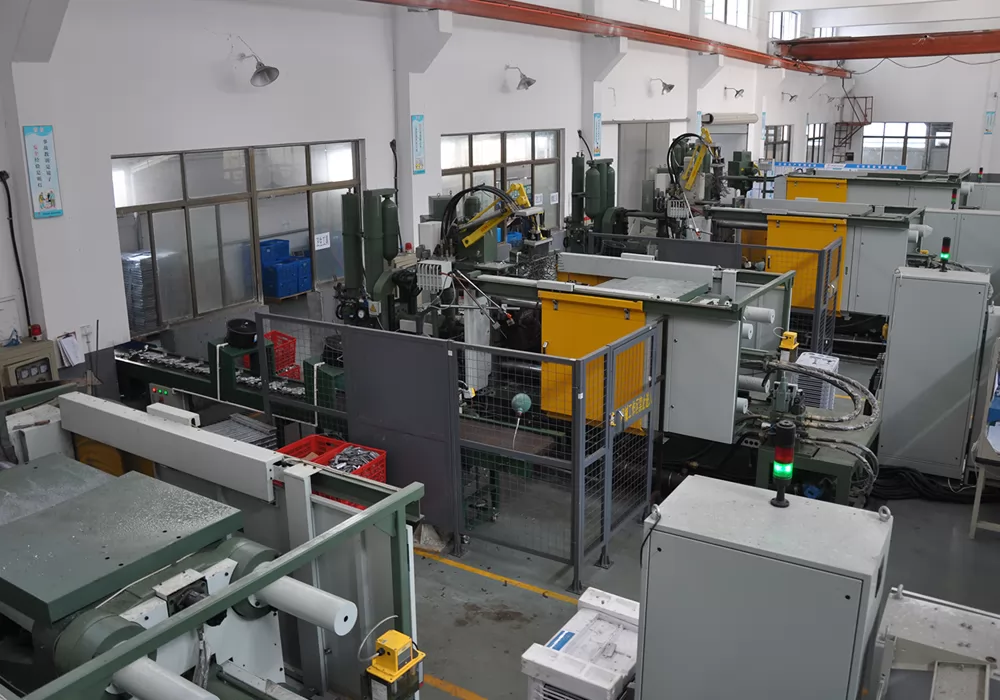
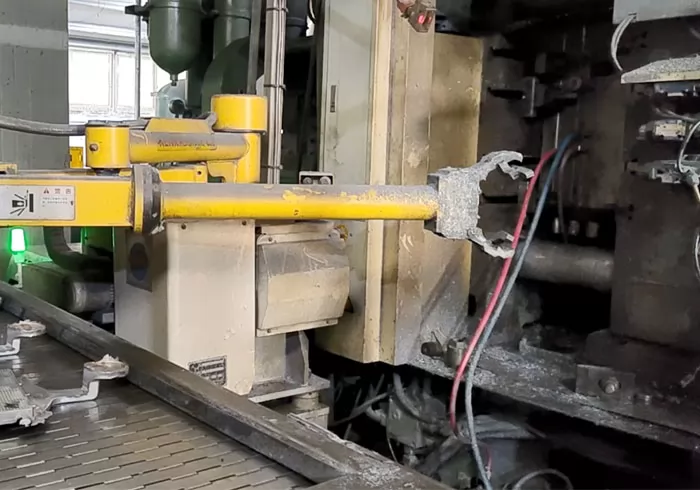
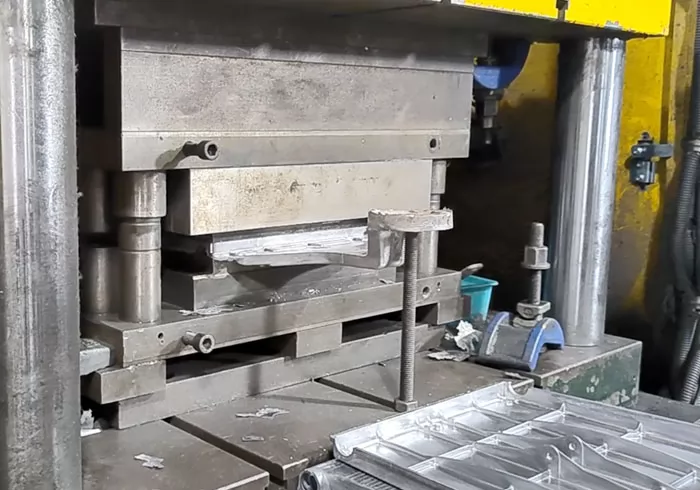
Mould making→Pressure Die Casting→Cutting the sprue and riser→Grinding→CNC Machining→Powder Coating→Packaging & inspection
Production Show
Product story
This is an old customer in the medical industry, who has placed orders for a variety of aluminum castings for medical parts with our company one after another over the past few years. Our smooth quality control and timely delivery performance are highly praised by the customer. This time, the newly developed dental chair contains a variety of aluminum alloy fittings in different positions, and the customer has delivered them all together to our company for production. Basically, we keep the frequency of shipment once a month.
FAQs
Q1. What three functional roles does this casting play within a surgical chair?
This part simultaneously serves as a structural support member bearing load and keeping the chair stable, a functional component bracket ensuring precise positioning of medical equipment or accessories during procedures, and an ergonomic aid contributing to the chair's adjustable geometry. These combined roles in a surgical environment mean the part must maintain dimensional stability under repeated load cycles and adjustments, while its surface quality must meet the hygiene and appearance standards expected of patient-facing medical equipment.
Q2. Why is high-pressure die casting chosen over gravity casting or sand casting for surgical chair components?
HPDC delivers tighter dimensional tolerances, thinner minimum wall thickness (3mm on this part), better surface consistency, and higher production efficiency than gravity or sand casting—all important for medical chair components that require precise fits and consistent appearance across high-volume monthly production runs. The one-piece molding characteristic of HPDC also eliminates assembly joints that could trap contaminants, which is a practical hygiene consideration in surgical environments.
Q3. How does ADC12 aluminum suit the specific environmental demands of a surgical chair?
Surgical environments require materials that withstand frequent cleaning with medical-grade disinfectants without degrading. ADC12's aluminum base provides inherent corrosion resistance, and combined with the powder coating surface finish, it passes the 240-hour neutral salt spray test that validates long-term coating adhesion under repeated chemical exposure. Its lightweight nature (119g for a 147×82mm structural bracket) also contributes to the overall ergonomic goal of keeping adjustable chair mechanisms easy to operate.
Q4. What does "precise positioning of medical equipment during procedures" require from this casting dimensionally?
When this bracket supports accessory arms or instrument holders used during surgery, any positional drift or dimensional instability under load directly affects where instruments are positioned relative to the patient. The ±0.1mm minimum tolerance ensures that mounting holes and mating interfaces locate consistently, while the ISO 2768-mk general tolerance grade controls the overall geometry so that the bracket assembles correctly and holds its position under the dynamic loads of a working surgical environment.
Q5. What advantages does producing multiple surgical chair aluminum castings together as a family offer?
A surgical chair contains multiple aluminum fittings in different positions, and consolidating them with one supplier ensures consistent material composition, surface finish, and dimensional standards across all parts—simplifying chair assembly and quality verification. It also allows shared process documentation, coordinated PPAP approval, and synchronized monthly delivery schedules, reducing the logistics complexity for the chair manufacturer while enabling the casting supplier to optimize mold scheduling and quality control across the related part family.
Share your thoughts
Showing
6
of
0
reviews