Product Overview
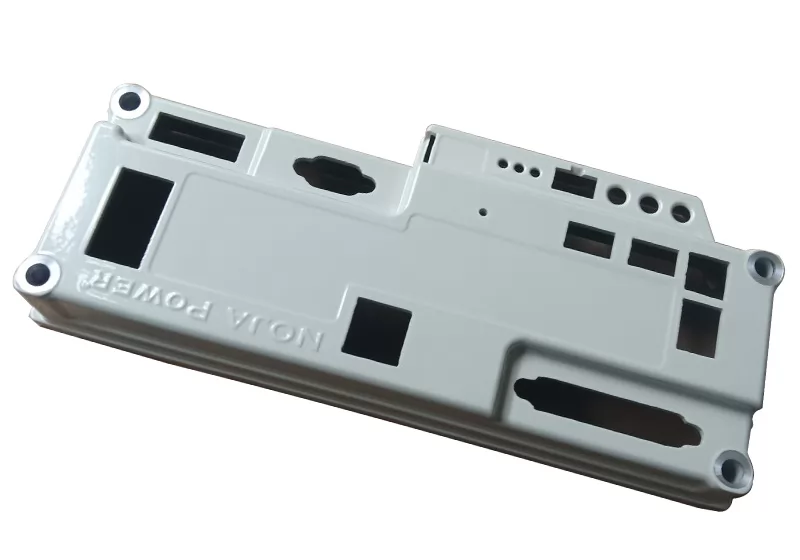
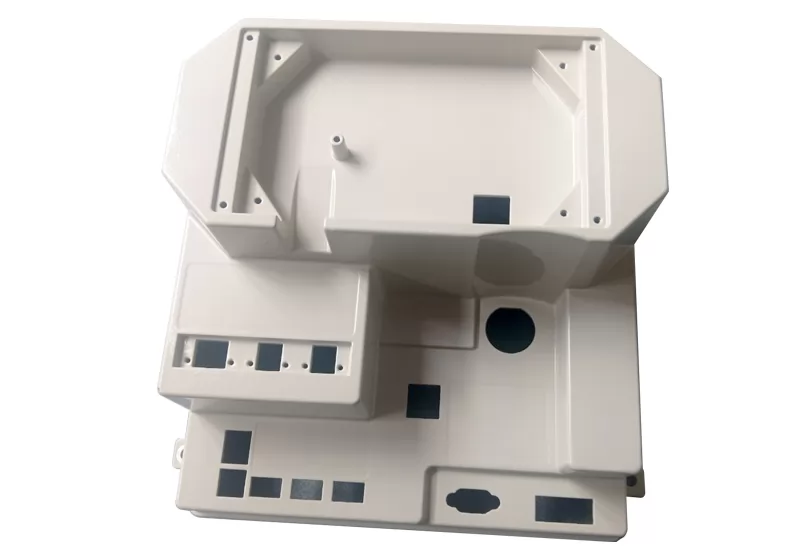
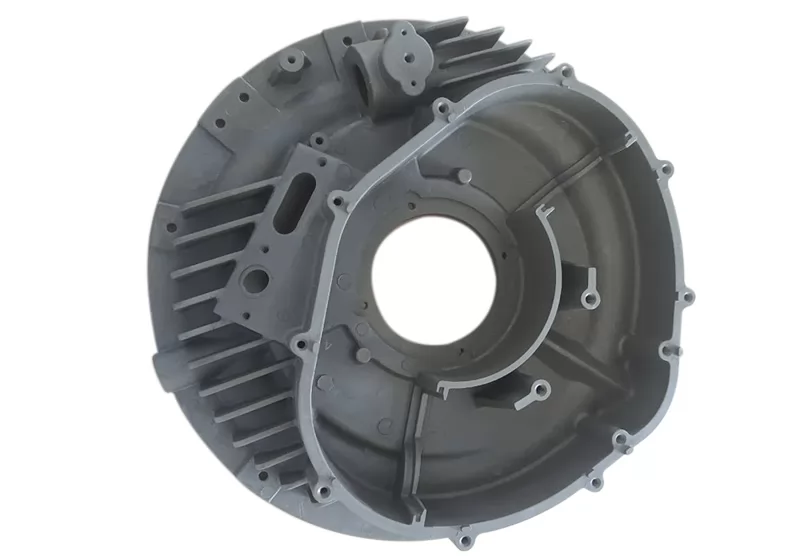
Aluminum die casting power electronic module housings are critical structural components designed to protect sensitive electronic systems and ensure efficient heat dissipation in high-power electrical applications. These housings are widely used in power converters, inverters, motor drives, and industrial control equipment.
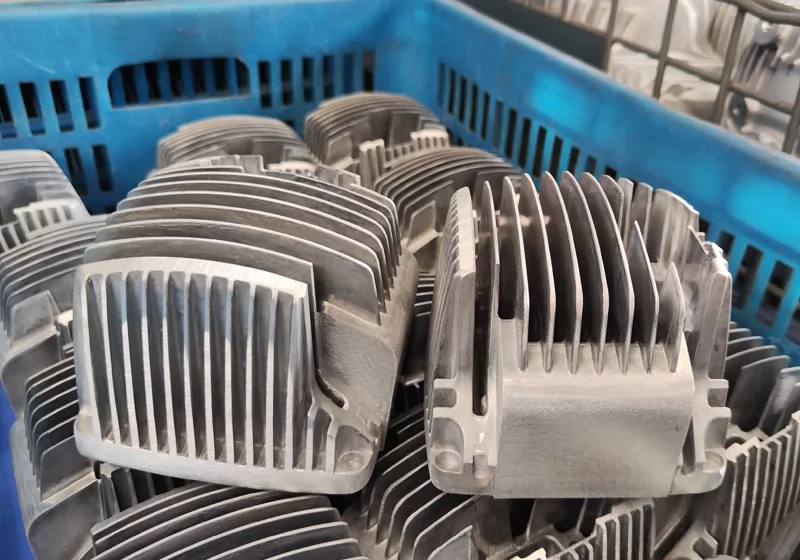
Manufactured through high-precision aluminum die casting combined with CNC machining, the housing provides excellent dimensional stability, high thermal conductivity, and strong mechanical strength. The lightweight aluminum alloy structure also offers excellent corrosion resistance and durability, making it suitable for demanding industrial environments.
Our custom aluminum die casting solutions allow flexible design optimization to meet the requirements of complex electronic modules while maintaining high production efficiency and consistent quality.
Material Options
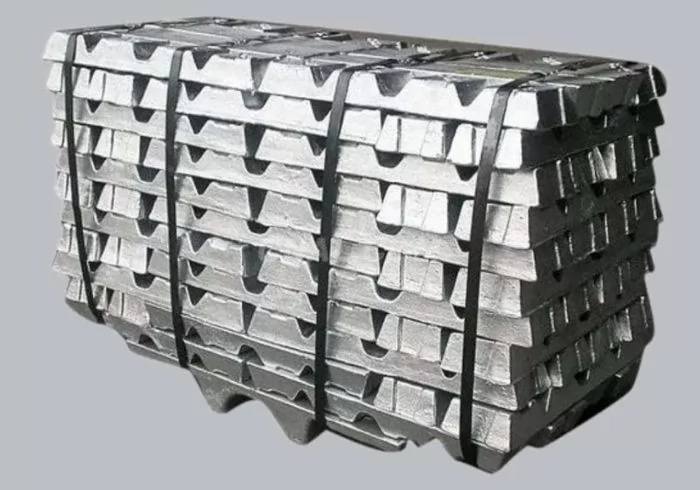
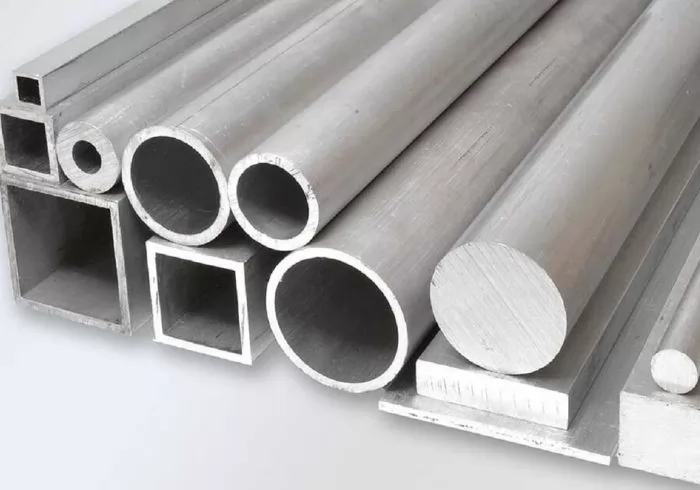
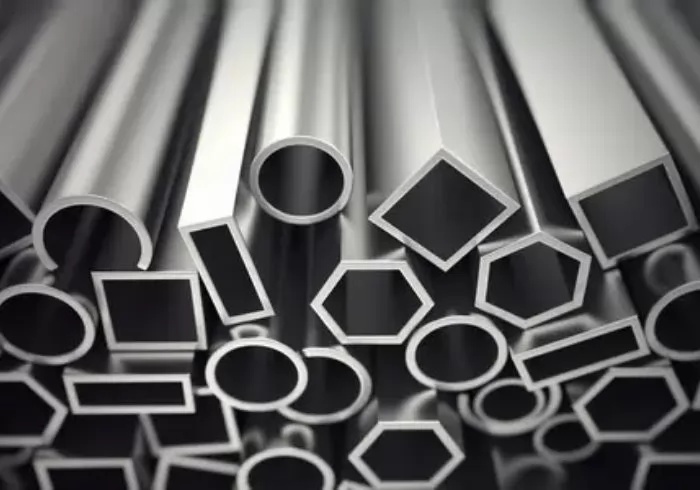
Power electronic module housings are typically manufactured using high-performance aluminum alloys that provide excellent heat dissipation, structural strength, and corrosion resistance.
Common material options include:
-
ADC12 Aluminum Alloy – Excellent casting performance and cost efficiency.
-
A380 Aluminum Alloy – High strength with good thermal conductivity, suitable for electronic and automotive components.
-
AlSi10Mg Aluminum Alloy – Provides superior mechanical properties and improved durability.
-
AlSi9Cu3 Aluminum Alloy – Widely used for precision die casting electronic housings.
Applications
Aluminum die casting power electronic module housings are widely used in industries that require reliable protection and effective heat management for electronic systems.
Typical applications include:
-
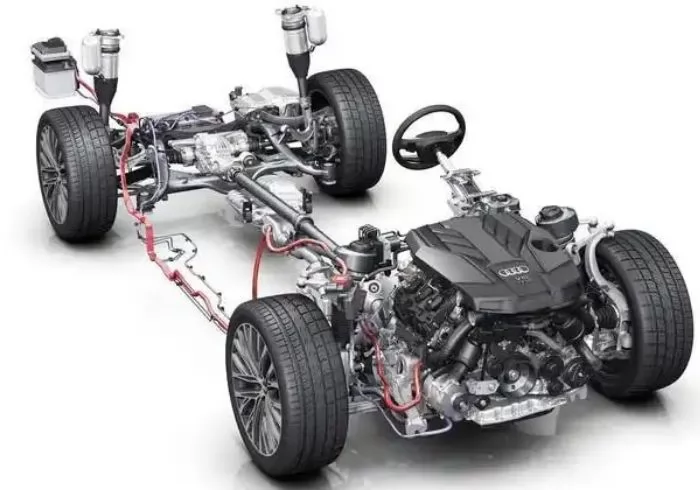
Electric vehicle power inverters
-
Industrial motor drive systems
-
Renewable energy converters
-
Power supply modules
-
Industrial automation equipment
-
Energy storage systems
-
High-power electronic control units
Key Advantages
Our aluminum die casting power electronic module housings offer several important advantages for high-performance electronic applications:
-
Excellent heat dissipation performance to support high-power electronic modules.
-
High dimensional accuracy achieved through precision die casting and CNC machining.
-
Lightweight aluminum alloy structure with strong mechanical strength.
-
Good corrosion resistance and long service life in industrial environments.
-
Suitable for complex structural designs and integrated housing solutions.
-
Stable mass production capability supported by strict quality control systems.
These advantages make aluminum die casting an ideal manufacturing solution for power electronic module housings used in demanding industrial applications.
Production Process
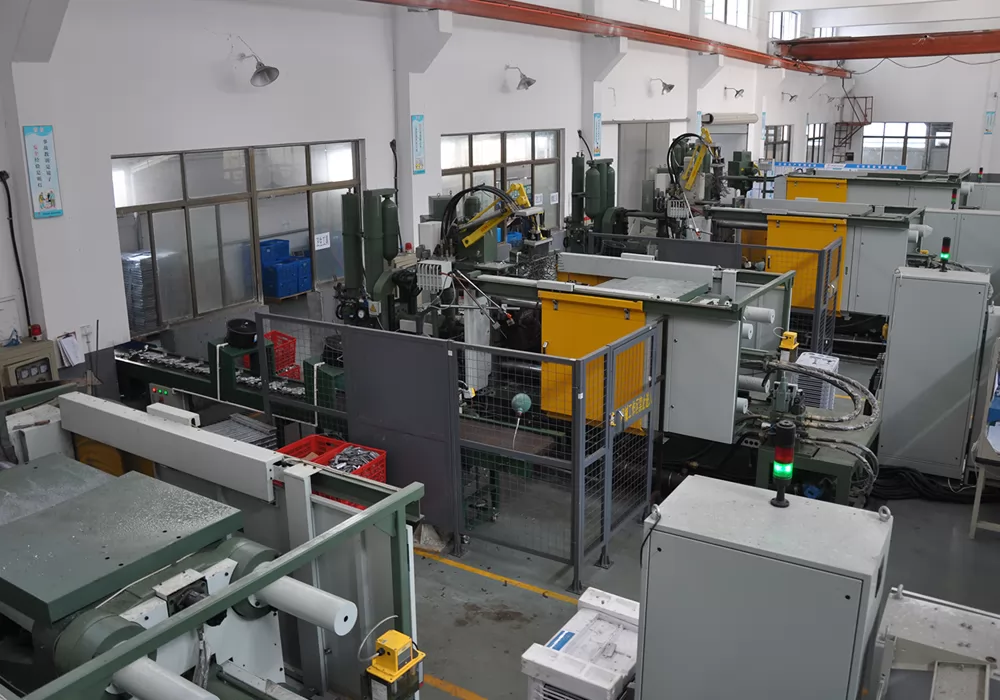
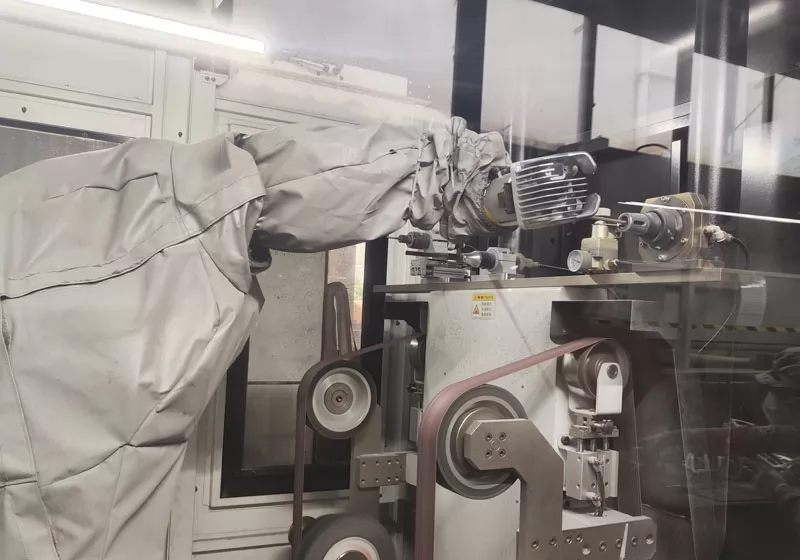
Mould making→High Pressure Die Casting→Cutting the sprue and riser→Polishing→Deburring→CNC Machining→Powder coating→Reaming→Packaging & inspection
FAQs
Q1. What are the four core functions this housing provides for the power electronic module inside?
This housing provides structural support to maintain the positional integrity of internal circuit boards and components under vibration and mechanical load; thermal management by conducting heat away from power semiconductors through the aluminum walls; electromagnetic shielding to contain radiated emissions from high-frequency switching circuits and protect against external interference; and environmental protection against dust, moisture, and mechanical impact. All four functions are delivered by a single 460g casting, which is why both dimensional precision and internal casting density are critical.
Q2. Why does the production sequence place reaming after powder coating rather than before?
Powder coating adds 60–100µm of material to all surfaces, including the bore walls of precision holes. If reaming were done before coating, the coating layer would partially fill the reamed bore and shift it outside tolerance. By reaming after coating, the final bore diameter and surface finish are established in the last operation—on coated material—ensuring the hole geometry meets its tolerance without coating interference. This sequence is particularly important for press-fit or close-clearance interfaces where the bore dimension directly controls assembly fit.
Q3. What challenges does the 280 × 125 × 42mm elongated shallow form create for HPDC?
The 280mm length with only 42mm depth means metal must travel a long distance laterally through a shallow cavity before the leading edge solidifies—particularly challenging at 2.5mm minimum wall thickness where the thin sections freeze rapidly. Gate positioning must ensure simultaneous fill arrival at both ends of the 280mm span to prevent cold shuts at the distal end. The shallow depth also limits the number of locations available for overflow wells and venting, requiring careful mold design to evacuate gas from the full cavity length within the brief injection window.
Q4. Why does electromagnetic shielding place specific demands on the casting's wall continuity and joint design?
An aluminum housing only provides effective EMC shielding if the conductive enclosure is continuous—gaps, cracks, or porosity pathways through the wall create apertures that allow electromagnetic energy to radiate in or out. This is why zero surface defects and internal soundness are shielding requirements as well as structural ones. The mating face between the housing and its cover must also maintain electrical continuity around the full perimeter, which is why flatness control at the sealing flange directly affects both the IP seal and the shielding performance of the assembled module.
Q5. How does this housing's thermal management role differ from a dedicated heat sink?
A dedicated heat sink is optimized purely for thermal performance—maximizing surface area through fins, pins, or channels. This housing must balance thermal conductivity with structural rigidity, EMC shielding continuity, and dimensional precision for assembly interfaces, which precludes aggressive fin geometry or thin-wall optimization. Heat flows through the solid aluminum walls to the outer surface and dissipates passively to ambient air, relying on ADC12's bulk thermal conductivity rather than extended surface area. The design prioritizes multi-function integration over peak thermal performance, making it a thermally capable housing rather than a thermally optimized heat sink.
Share your thoughts
Showing
6
of
0
reviews