Product Description
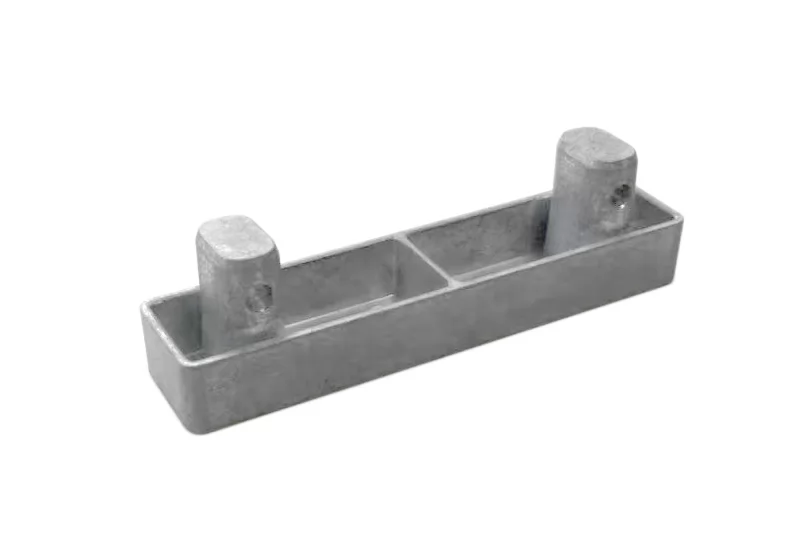
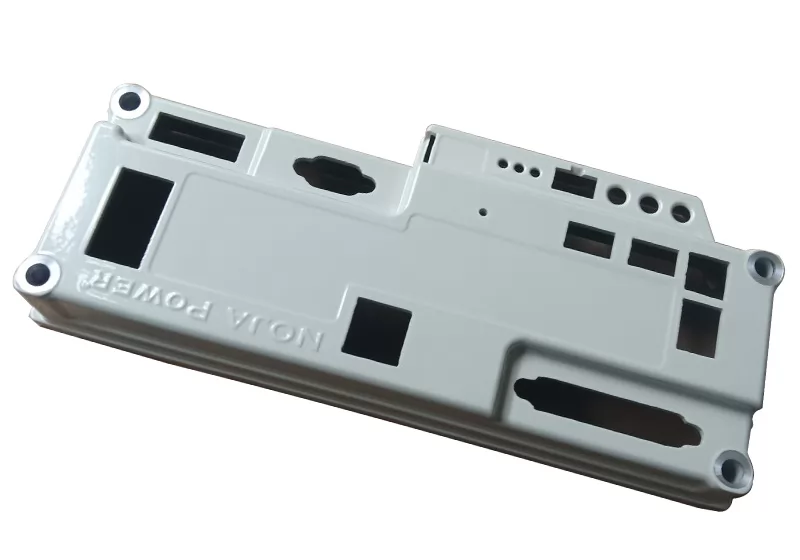
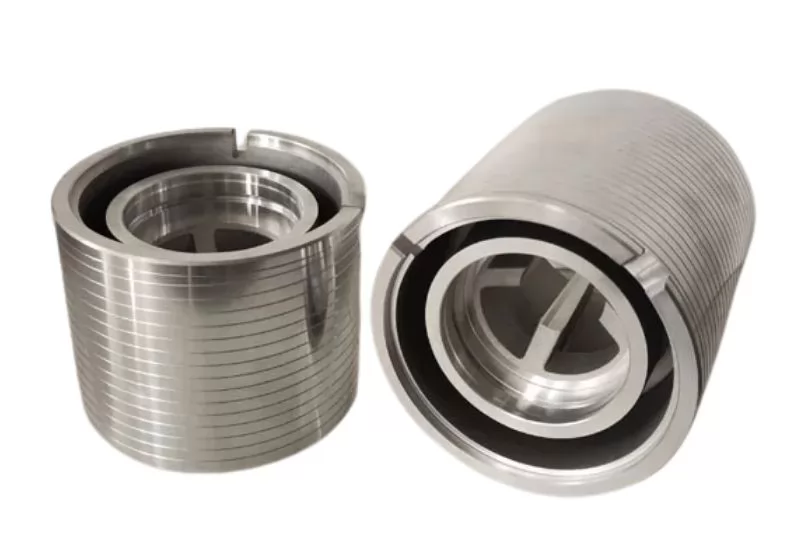
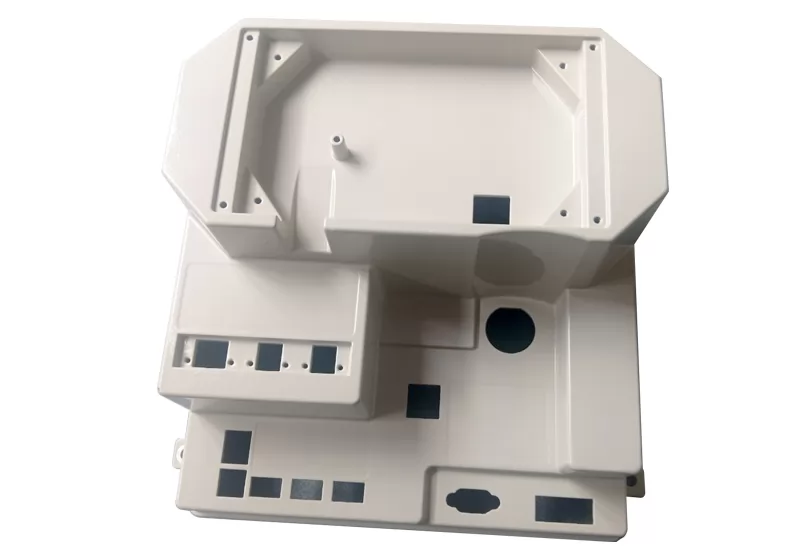
This door and window pulley base zinc alloy casting is used for building door and window sliding and connecting system.
Its main functions are:
1. protect the internal parts from external dust, water vapor, corrosive gas, mechanical shock, etc.
2. load bearing pulleys to support the operation of doors and windows.
3. act as an intermediate part to ensure the stability and firmness of the structure.
4. provide axial and radial stability of the pulley.
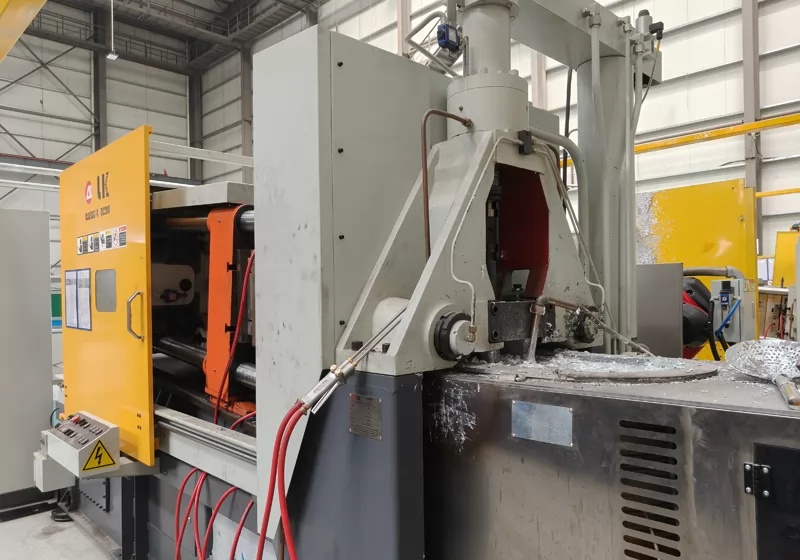
The zinc casting of this door and window roller bracket adopts the zinc high-pressure die-casting one-piece molding process, and the surface adopts the vibration grinding process, which has the characteristics of high precision, small tolerance, small wall thickness, high productivity, low material loss, light weight but high strength, which is a perfect fit for the mass production requirements of this door and window pulley base.
Production Process
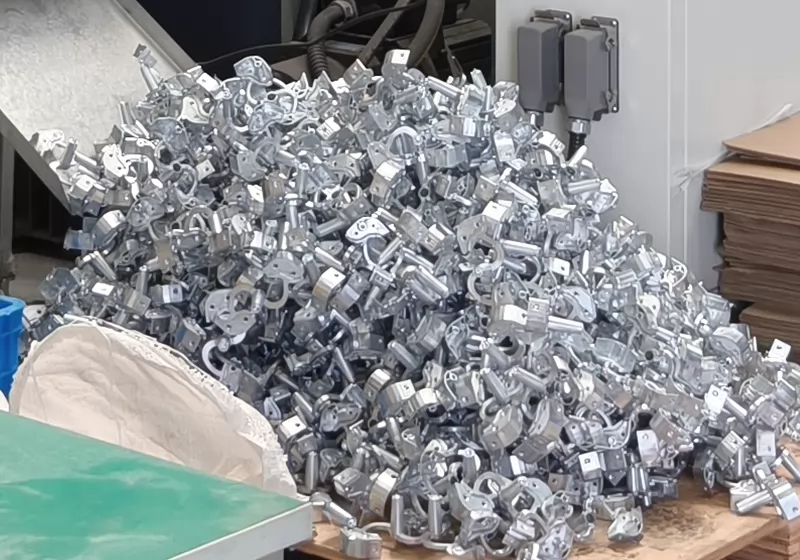
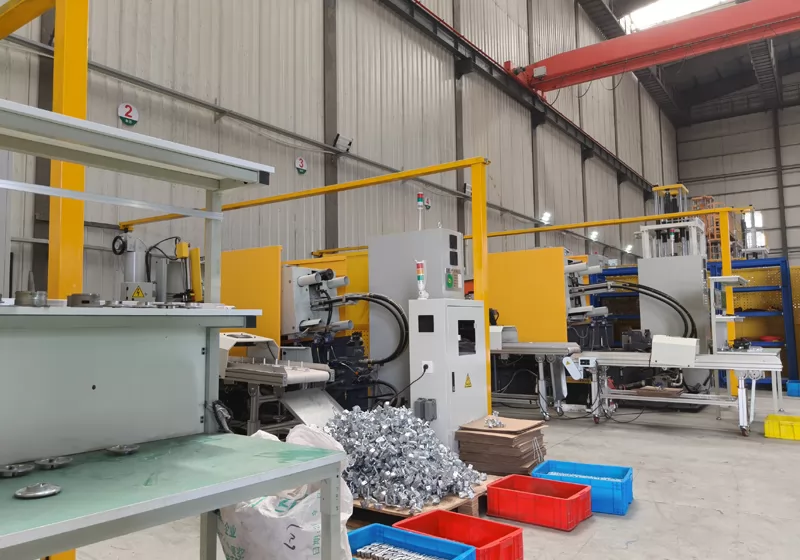
Mould making→Pressure Die Casting→Cutting the sprue and riser→Grinding→Vibratory Finishing-→Packaging & inspection
Production Video
FAQs
Q1. What is the difference between axial and radial stability for a roller bracket, and why does this casting need to provide both?
Axial stability prevents the pulley from shifting sideways along its shaft axis—which would cause the door or window sash to drift laterally off the track. Radial stability prevents the shaft from deflecting perpendicular to its axis under the vertical load of the sash weight—which would cause the pulley to bind against the track walls. The roller bracket casting must provide tight bore geometry and rigid side walls to constrain the pulley shaft in both directions simultaneously, since failure in either axis directly affects sliding smoothness and long-term track wear.
Q2. What dimensional requirements on the pulley bore and shaft interface are most critical for smooth door or window operation?
The bore diameter and its roundness directly determine the clearance fit with the pulley shaft—too tight causes binding and premature wear; too loose creates play that produces noise, lateral sash drift, and uneven load distribution across the roller. The bore axis must also be perpendicular to the bracket mounting face within tight angular tolerance, since any tilt translates the pulley off its intended track centerline. These are the dimensions that drive the CNC machining requirement in conjunction with the zinc die casting blank.
Q3. Why is the roller bracket so much lighter (164g) than the other door and window castings in this series?
The roller bracket's slender form (110×25×30.5mm) reflects its functional role: it is a precision housing for the pulley mechanism rather than a load-spreading structural node like the corner connector or connecting bracket. The sash load is transferred through the pulley roller to the track, not through the bracket body itself—so the bracket only needs to be rigid enough to maintain shaft alignment under the bearing reaction forces, not to carry the full sash weight in bending. This allows a much leaner cross-section and significantly lower mass.
Q4. How does the elongated 110mm length of this bracket affect metal flow during zinc die casting?
At only 25mm wide and 30.5mm deep, the metal must travel 110mm along a narrow cross-section from the gate to the far end of the cavity. In zinc die casting this is manageable due to zinc's excellent fluidity, but it requires careful gate positioning and injection speed optimization to ensure the metal reaches the distal end before the leading edge solidifies. The thin cross-section also means the bracket cools rapidly and uniformly once filled—which actually benefits dimensional consistency along its length compared to thicker, slower-cooling parts.
Q5. What protection functions does the bracket housing provide for the internal pulley mechanism?
The bracket's enclosed geometry shields the pulley bearing from external dust, water vapor, and corrosive gases that would accelerate bearing wear and cause premature seizing in outdoor or semi-exposed window installations. Mechanical impact protection is also relevant—the bracket absorbs minor knocks from sash slamming or accidental contact that would otherwise directly damage the pulley or shaft. Zinc's inherent hardness and surface passivation contribute to this protective role without requiring a separate coating, keeping the assembly compact and maintenance-free.
Share your thoughts
Showing
6
of
0
reviews