Product Description
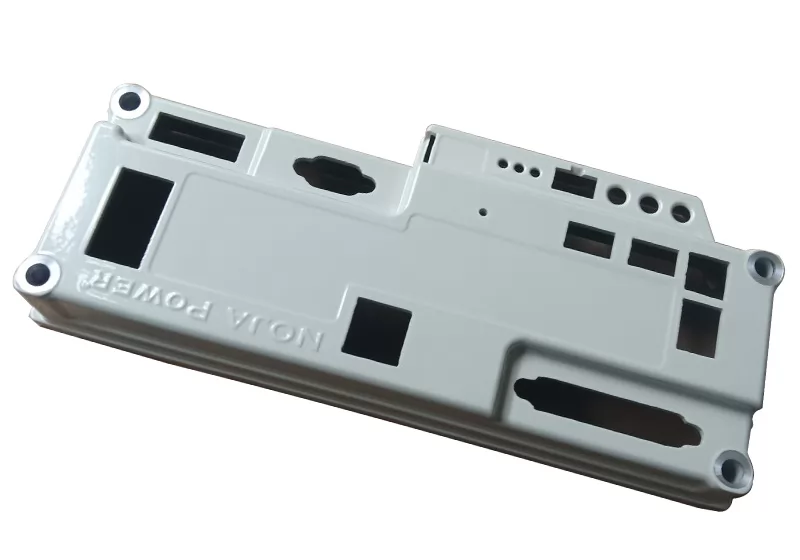
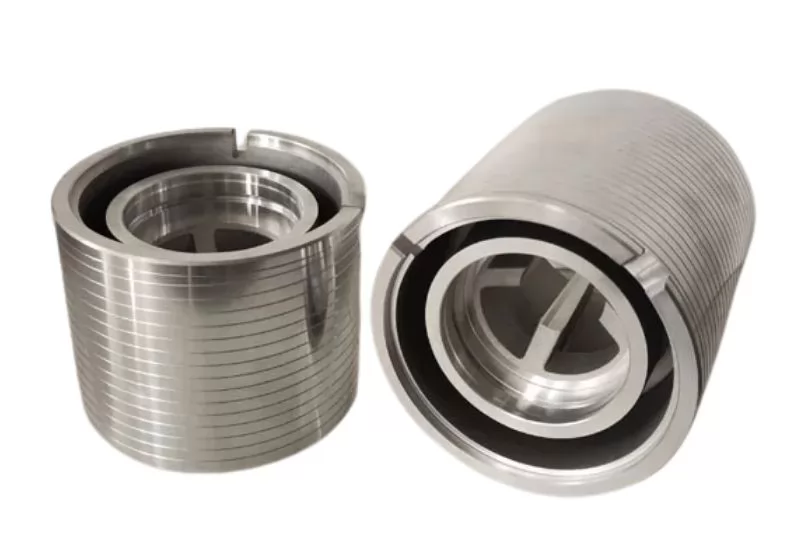
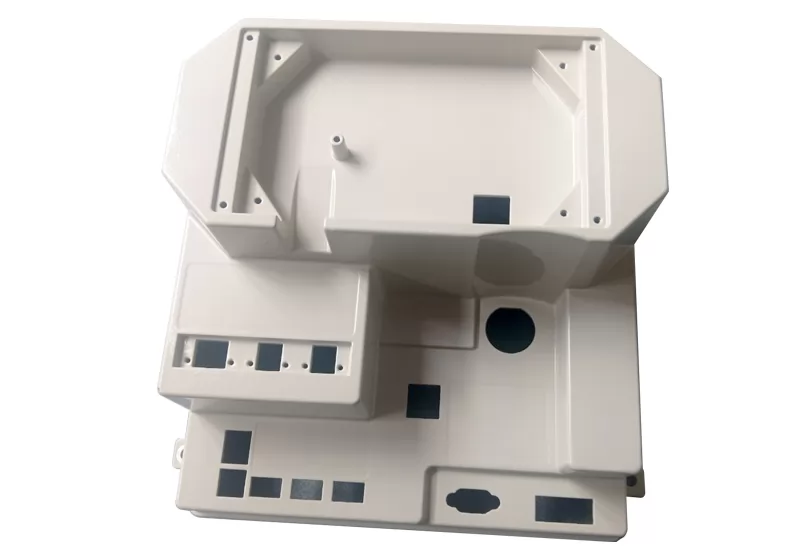
This is a customized production of door and window fittings according to customer's drawings, suitable for door and window handles, made of zinc alloy. This door and window handle casting is a very important appearance and structural part of the door and window hardware system.
Its main functions are:
1. protect the internal mechanism, prevent dust, water vapor, corrosive gases from entering, and extend the life of the hardware.
2. to provide structural support and installation positioning, is the installation of internal parts of the foundation.
3. casting material provides good sense of weight and feel, enhance product texture.
4. High-strength casting prevents damage and plays the role of anti-theft and anti-misoperation.
5. Connecting force transmission and operation support.
This finished door and window handle casting not only has excellent mechanical strength and precision, but also has good corrosion resistance, light weight, good protection, and also easy to install and maintain. The finished product fully meets the customer's design objectives, providing a higher performance and reliable solution for this type of architectural hardware design.
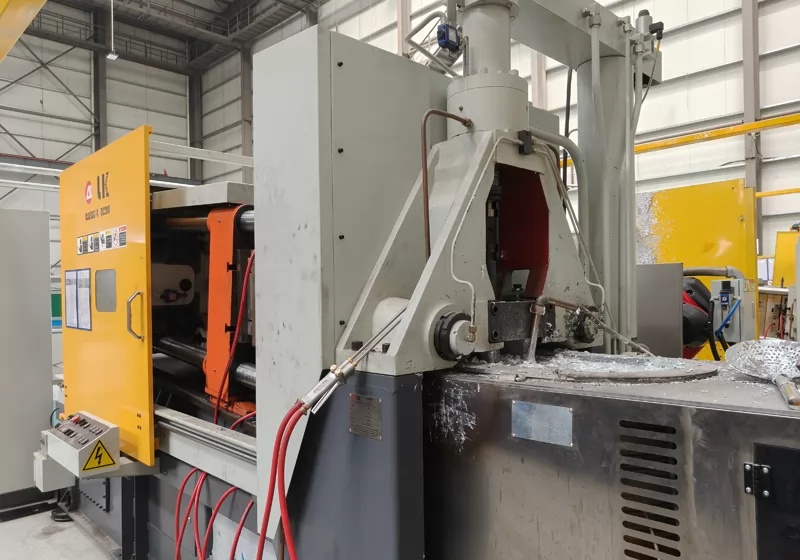
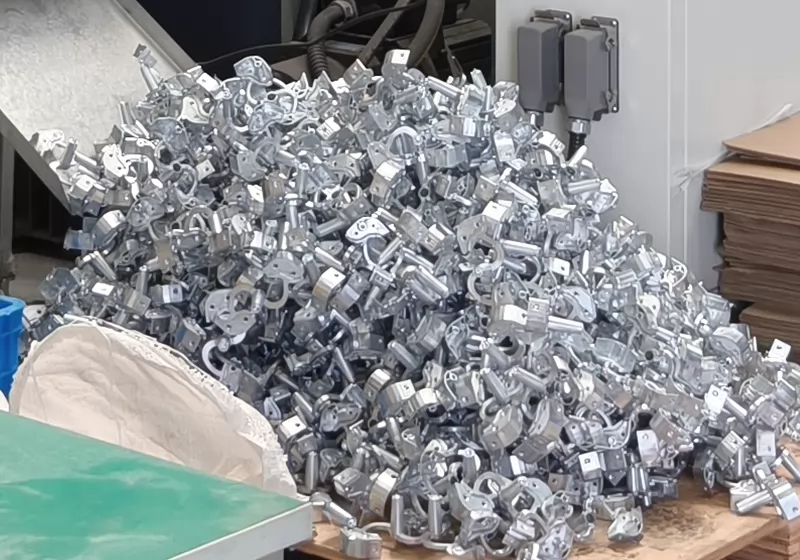
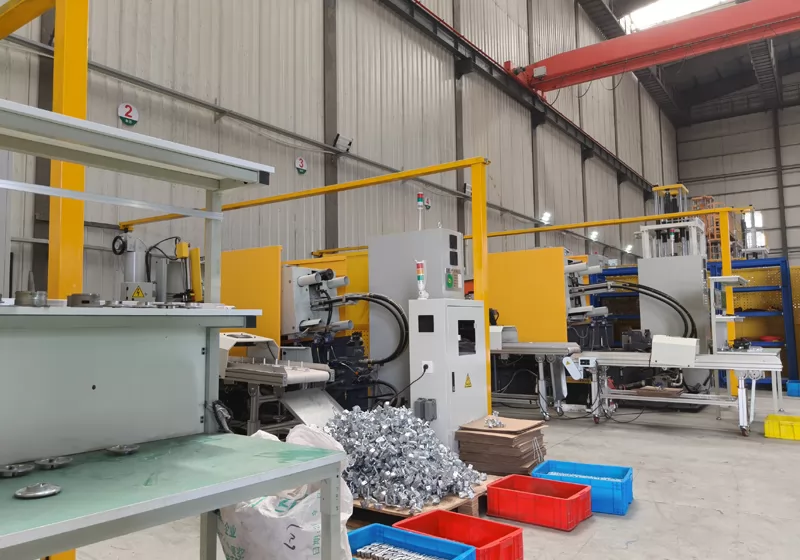
This door and window handle casting adopts zinc high-pressure die casting one-piece molding process, and the surface adopts vibration grinding process, which has the characteristics of high precision, small tolerance, small wall thickness, high production efficiency, low material loss, light weight but high strength, which is a perfect fit for the mass production needs of this door and window accessory.
Customized zinc high-pressure die castings are not only well reflected in this door and window handle castings, but also can be widely used in building and home, industrial automation control equipment, instruments and other products. No matter what kind of specification or design, it can get a good matching application.
Production Process
Mould making→Pressure Die Casting→Cutting the sprue and riser→Grinding→Vibratory Finishing-→Packaging & inspection
Production Video
Product story
As a key component used in building door and window systems, door and window fittings are required to have the following key characteristics.
high strength and hardness, good wear resistance, excellent dimensional stability, good corrosion resistance, assembly friendliness and other characteristics to adapt to different working environments. This was the basis for the customer's requirements for the zinc alloy casting of this connecting bracket casting.
As a long-standing customer who has cooperated with Innovaw for many years, the customer has full trust in Innovaw. After receiving the customer's requirements and drawings, we first conducted a DFM analysis of the product design to ensure that the product design meets the functional requirements, while reducing costs, improving productivity and minimizing defects during the manufacturing process.
During the analysis process, INNOVAW's professional engineers analyzed the product design in all aspects, from mold layout, extraction angle, part marking, etc., and put forward reasonable opinions and solutions from the production point of view, and finally the customer accepted our opinions and improved them, so that the final product was produced and delivered smoothly.
FAQs
Q1. Why does a door and window handle casing need to provide a "sense of weight and feel"—and how does zinc casting achieve this?
Unlike structural brackets that are hidden inside the frame, the handle casing is the component the user physically grips and operates every day. Zinc's higher density (approximately 6.6 g/cm³) gives the casing a solid, quality feel in the hand that plastic or thin aluminum cannot replicate—users associate this weight with durability and premium construction. At 103g for a compact 110×25×30.5mm form, the mass is perceptible without being burdensome, and the material's inherent hardness produces a rigid, non-flexing feel during operation that reinforces perceived quality.
Q2. How does the handle casing contribute to anti-theft and anti-misoperation performance?
Zamak 2's high hardness and impact resistance make the casing resistant to forced manipulation—it cannot be easily deformed, pried, or cracked to expose and bypass the internal locking mechanism. The casing's geometry also physically limits the range of handle motion to the intended operating arc, preventing accidental over-rotation that could damage the lock mechanism or falsely trigger the latch. This combination of material hardness and precise geometric constraint is why zinc casting is preferred over softer materials for security-relevant architectural hardware.
Q3. Why is this handle casing lighter (103g) than the roller bracket (164g) despite identical outer dimensions?
The roller bracket must provide a solid, thick-walled housing to constrain a pulley shaft under sustained bearing loads. The handle casing, by contrast, primarily encases and positions the handle mechanism rather than bearing large mechanical loads—allowing thinner walls in non-critical zones. The mass difference of 61g at identical outer dimensions directly reflects this difference in internal wall distribution: the handle casing has more hollow volume inside, optimized for ergonomic form and internal mechanism access rather than structural density.
Q4. What surface finish considerations are unique to a user-contact component like this handle casing?
As a directly handled component, the casing surface is evaluated tactilely as well as visually—any residual sharp edges, parting line steps, or surface roughness irregularities are immediately felt by the user. Vibratory finishing is particularly well-suited here because it uniformly rounds all edges and produces a consistent matte texture across the entire part simultaneously, including recesses and contoured surfaces that hand polishing would treat inconsistently. The result is a surface that feels smooth and uniform in all grip orientations without visible polishing marks or directional texture.
Q5. How does the handle casing protect the internal locking mechanism from environmental ingress?
The casing's enclosed geometry creates a labyrinthine path between the exterior and the internal mechanism—dust, moisture, and corrosive gases must navigate the gap between the casing and the door or window profile rather than entering directly. This passive protection extends the service life of the internal springs, cams, and latch components that would corrode or seize if exposed to outdoor condensation or cleaning agents. Unlike seals or gaskets that degrade over time, the cast geometry provides permanent passive protection without maintenance.
Share your thoughts
Showing
6
of
0
reviews