Custom Aluminium Marine Castings: Alloy Selection, Corrosion Protection, and Sourcing Guide
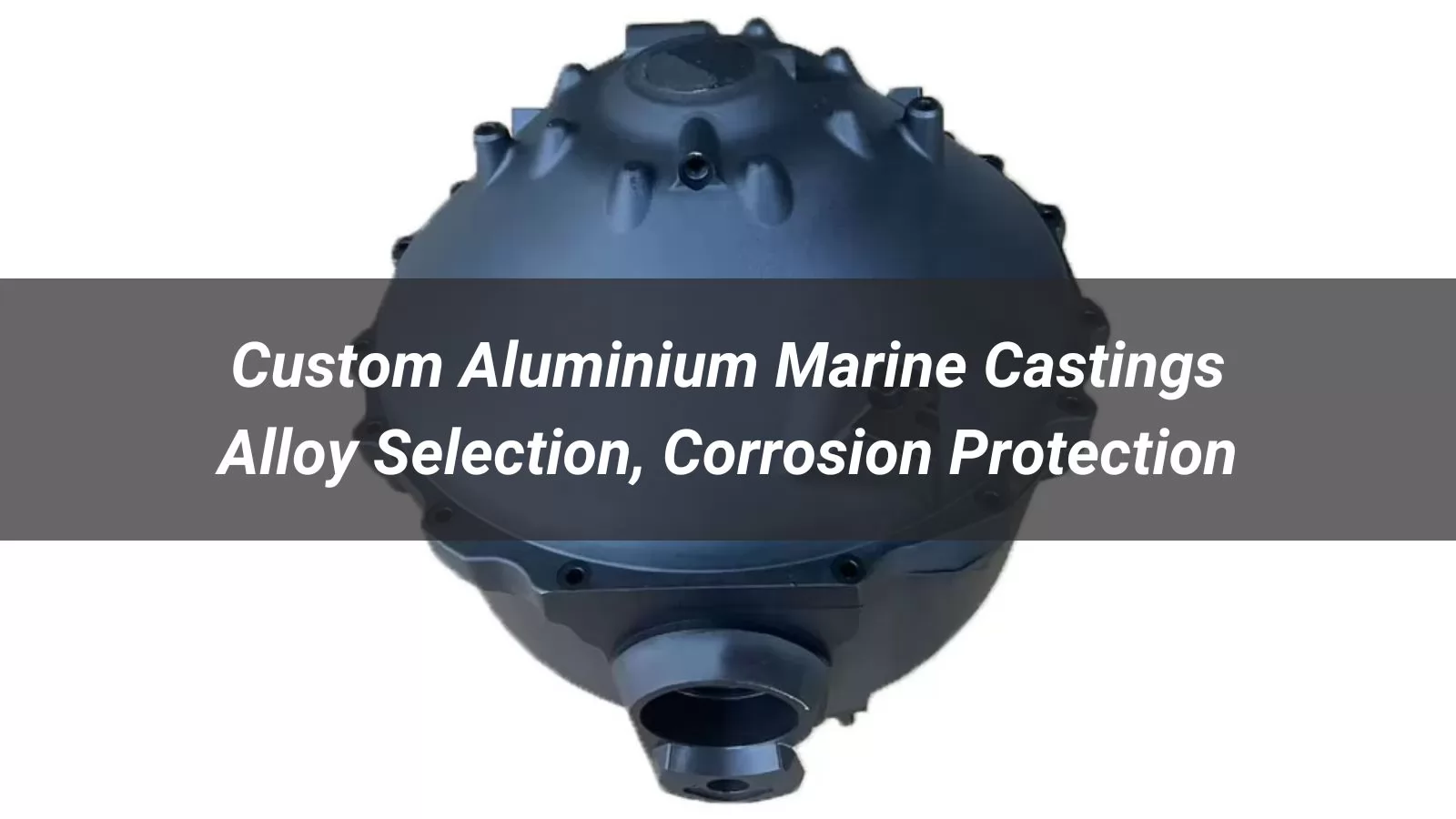
Demand for custom aluminium marine castings has grown steadily as vessel designers push for lighter structures without compromising strength or service life. Salt, humidity, and galvanic exposure make the marine environment one of the harshest tests any metal component can face — and not every aluminium alloy or surface treatment is up to it.
This guide addresses the decisions that determine whether a marine casting lasts two years or ten: alloy selection, heat treatment, corrosion protection, and supplier qualification. Based on industry-standard test data (ASTM B117) and established casting practice, it covers the factors that matter most to:
- Procurement managers sourcing custom castings from China for marine OEM applications
- Marine engineers specifying aluminium components for new builds or replacement programmes
- Buyers evaluating suppliers on technical capability, not just price
From A356 vs ADC12 alloy comparison to salt spray benchmarks and supplier checklists, the right specification choices at the design stage directly reduce warranty risk and total cost of ownership — read on to see how.
Table of Contents
- Why Marine Environments Demand More from Aluminium Castings
- A356 vs ADC12 — Which Alloy Holds Up in Saltwater?
- The Role of Heat Treatment in Marine-Grade Performance
- Surface Protection Options for Custom Marine Castings
- How Salt Spray Testing Validates Your Casting's Durability
- Custom Design Considerations — From Drawing to Cast Part
- What to Look for When Sourcing Custom Marine Castings from China
- Conclusion — Matching the Right Alloy to the Right Application
Why Marine Environments Demand More from Aluminium Castings
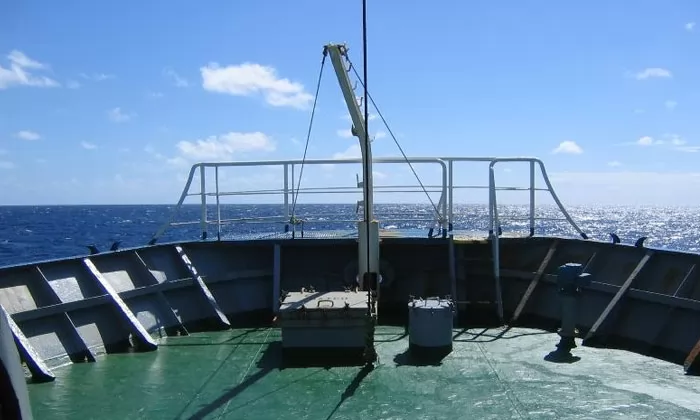
Most industrial aluminium performs well on land. Put it on a vessel, and the rules change fast.
Imagine a bracket cast from standard ADC12, installed on a commercial ferry operating in the South China Sea. Within 18 months, the surface shows white powdery deposits — aluminium oxide blooming from accelerated corrosion. The part hasn't failed yet, but the clock is ticking.
This isn't a quality problem. It's an environment problem. And it's one of the most common mistakes buyers make when sourcing aluminium castings for marine applications.
Three Threats Working Against Your Casting
Marine environments attack aluminium through three simultaneous mechanisms:
| Threat | Source | Effect on Aluminium |
|---|---|---|
| Salt spray & chloride ions | Seawater, sea air | Breaks down passive oxide layer, triggers pitting corrosion |
| Galvanic corrosion | Contact with steel, brass, or bronze | Aluminium acts as the anode — sacrifices itself |
| High humidity + UV | Tropical & coastal climates | Accelerates surface degradation, weakens coatings |
Any one of these alone is manageable. All three together — which is the reality on most vessels — demand alloy selection and surface protection that standard industrial castings simply aren't designed for.
Why Standard Die Casting Alloys Fall Short
ADC12 is the workhorse of the die casting industry. It flows well, fills complex geometries, and costs less to process. For automotive or electronics housings, it's excellent.
For marine use? It has a weakness: high copper content (up to 3%). Copper accelerates pitting corrosion in chloride-rich environments. What performs reliably in a car door panel can corrode noticeably faster on a boat deck fitting.
Real-world comparison: In a 500-hour salt spray test (ASTM B117), ADC12 specimens typically show visible pitting at around 200–300 hours. A356-T6, with copper under 0.2%, often reaches 500 hours with only minor surface staining. Same test. Very different outcomes.
What This Means for Your Sourcing Decision
Specifying "aluminium casting" on a purchase order isn't enough. The alloy, heat treatment, and surface protection all determine whether your parts last two years or ten.
The rest of this guide walks through each decision point — starting with the alloy comparison that matters most for marine castings.
A356 vs ADC12 — Which Alloy Holds Up in Saltwater?
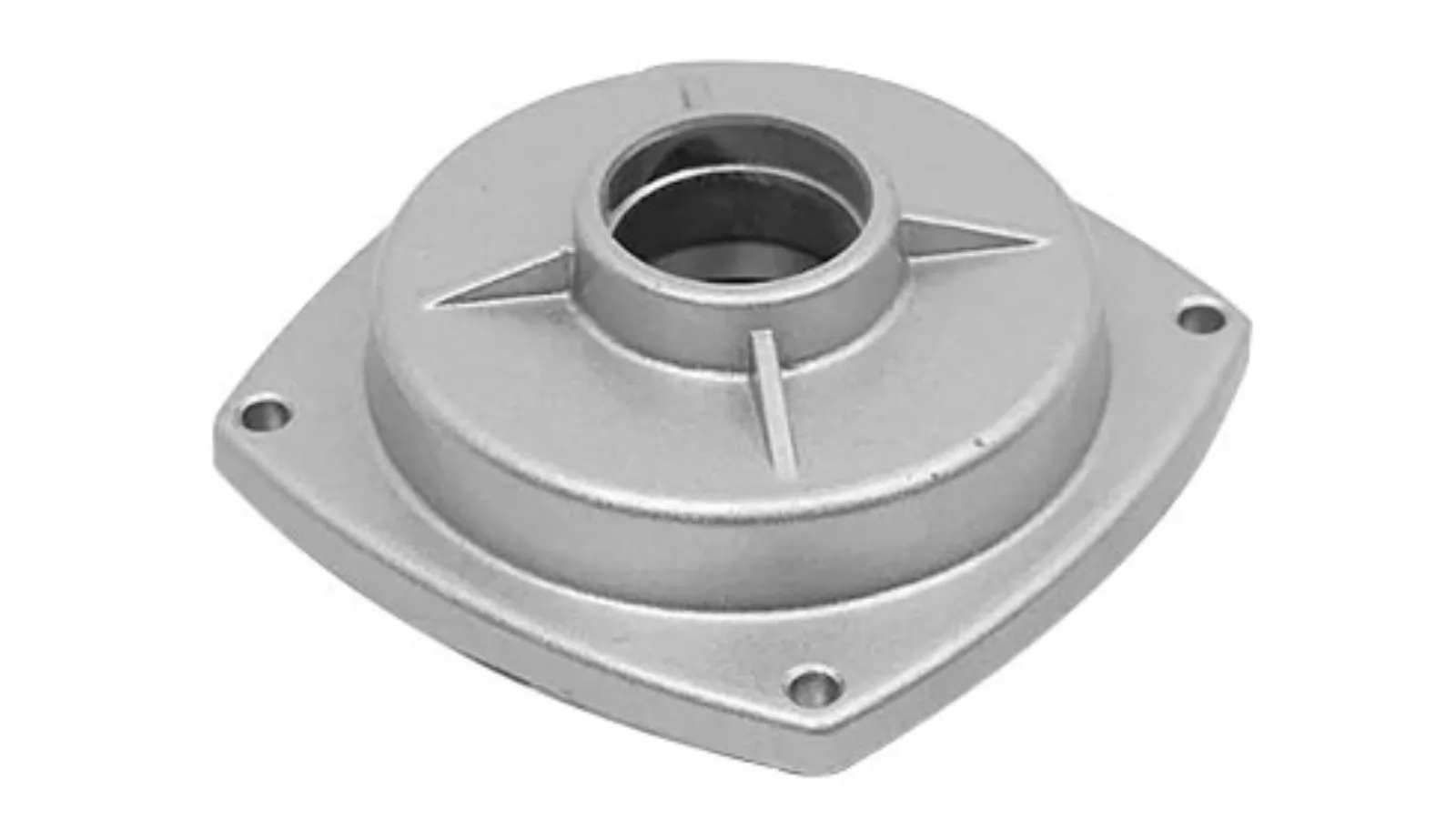
Both alloys are widely used in aluminium casting. But their behaviour in saltwater environments is noticeably different — and the gap matters when parts are expected to last.
The Chemistry Behind the Difference
The key variable is copper content.
ADC12 contains up to 3% copper. In dry or low-humidity conditions, this poses no problem. In marine environments — where chloride ions are constantly present — copper accelerates the breakdown of aluminium's natural oxide layer. Once that layer is compromised, pitting starts.
A356 keeps copper below 0.2%. It relies on silicon and magnesium instead, which maintain corrosion resistance without the trade-off.
| Property | A356 | ADC12 |
|---|---|---|
| Copper content | < 0.2% | 1.5–3.5% |
| Corrosion resistance | Excellent | Moderate |
| Tensile strength (T6) | ~280 MPa | ~230 MPa |
| Weldability | Good | Poor |
| Typical casting process | Gravity / low-pressure die casting / sand | High-pressure die casting |
| Salt spray performance (ASTM B117) | 500h+ with minor staining | Pitting visible at 200–300h |
For structural or exposed components — cleats, brackets, pump housings, propeller hubs — A356 is the more defensible choice. ADC12 remains cost-effective for interior or protected parts where corrosion exposure is minimal.
When ADC12 Is Still Acceptable
Not every marine casting faces direct saltwater exposure. Below-deck electrical housings, interior trim brackets, and non-structural covers can often use ADC12 without issue — especially with a protective coating applied.
Buyer tip: Ask your supplier to confirm alloy composition with a material test report (MTR) or spectrometer certificate. "Marine-grade aluminium" is not a standardised term — verify the actual chemistry, not just the label.
The Role of Heat Treatment in Marine-Grade Performance
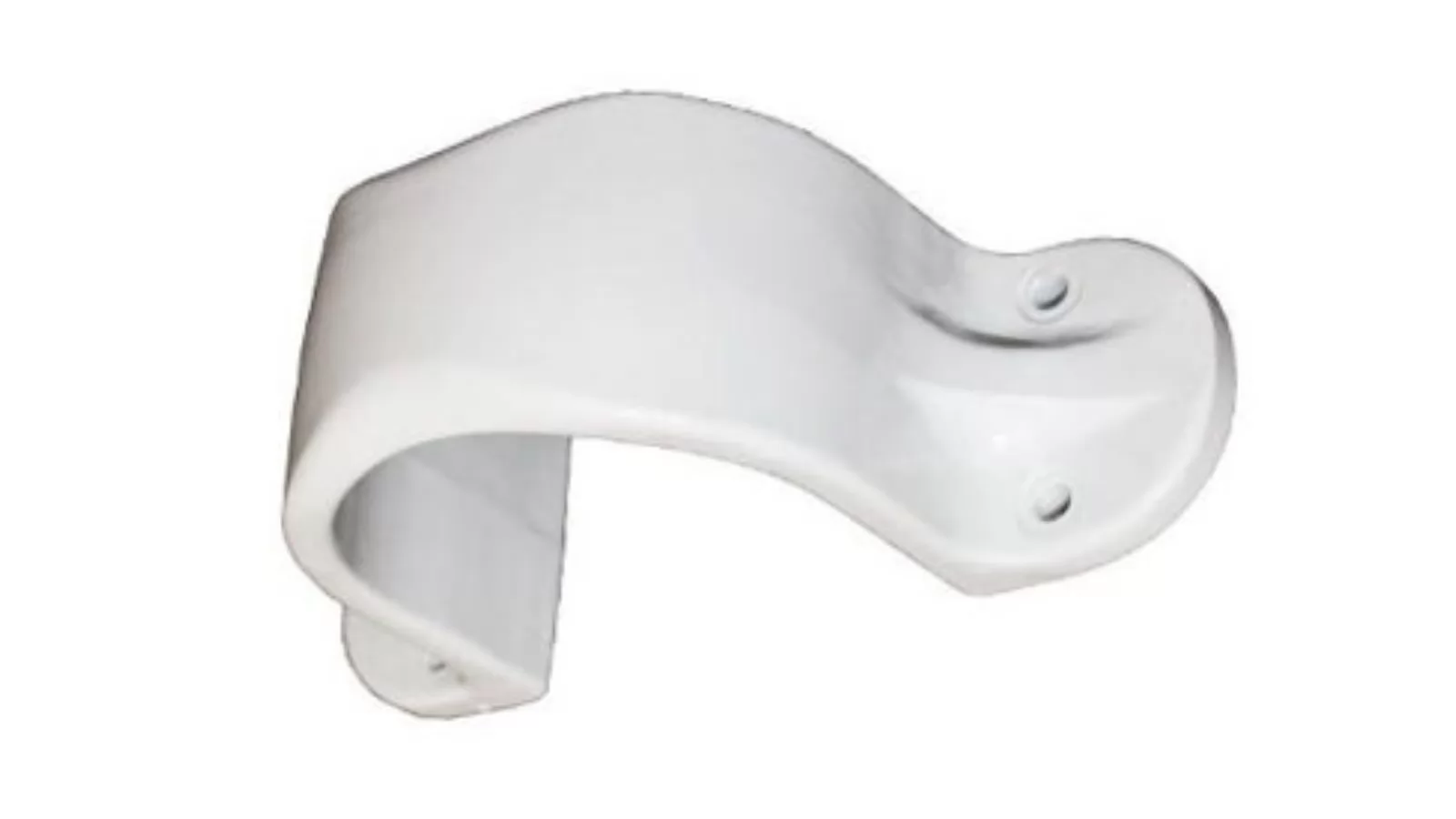
Alloy selection gets most of the attention. Heat treatment is equally important — and often overlooked in sourcing conversations.
What T6 Actually Does
A356 in its as-cast state has moderate strength. Put it through T6 treatment — solution heat treatment followed by artificial ageing — and the picture changes substantially.
T6 drives magnesium and silicon into solid solution, then precipitates them as fine Mg₂Si particles throughout the matrix. The result: tensile strength rises from roughly 160 MPa to around 280 MPa, and yield strength nearly doubles.
For marine applications, T6 also reduces residual stress in the casting. Lower residual stress means less susceptibility to stress corrosion cracking — a failure mode that affects aluminium alloys exposed to sustained load in chloride environments.
| Condition | Tensile Strength | Yield Strength | Elongation |
|---|---|---|---|
| A356 as-cast | ~160 MPa | ~85 MPa | ~6% |
| A356-T6 | ~280 MPa | ~200 MPa | ~3–5% |
The trade-off is a modest reduction in elongation — the part becomes slightly less ductile. For most structural marine components, this is an acceptable exchange for the strength and stability gained.
T6 and Anodizing Compatibility
T6-treated A356 also responds better to anodizing than as-cast material. The more uniform microstructure produces a more consistent anodic oxide layer — which directly affects corrosion protection quality.
In practice: A casting that skips T6 and goes straight to anodizing may look identical on the surface — but the oxide layer will be thinner and less uniform over cast porosity and segregation zones. Specify T6 before anodizing in your technical requirements.
What to Ask Your Supplier
Not all foundries perform heat treatment in-house. Some outsource it — which introduces variability in time-temperature control. When evaluating suppliers, ask:
- Is T6 heat treatment performed in-house or subcontracted?
- What furnace temperature tolerance is maintained during solution treatment?
- Are hardness test records (Brinell or Rockwell) available per batch?
Surface Protection Options for Custom Marine Castings
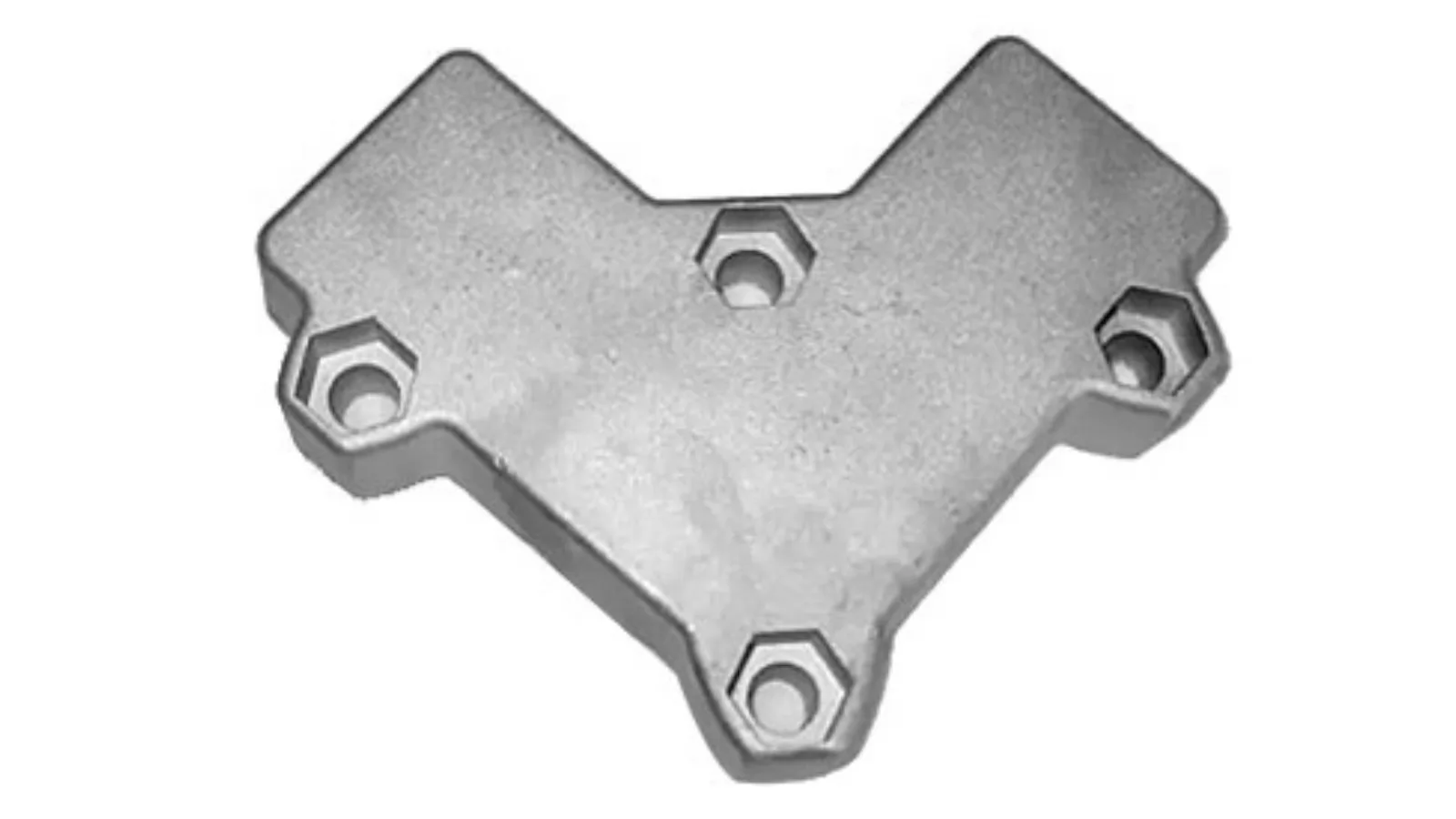
Even the best alloy needs surface protection in a marine environment. The right choice depends on the exposure level, aesthetic requirements, and budget — and each option has real trade-offs.
Anodizing — The Default Choice for Marine Aluminium
Anodizing converts the surface aluminium into aluminium oxide electrochemically. The result is a hard, integral layer that doesn't peel, chip, or add meaningful thickness.
Two variants are relevant for marine use:
| Type | Thickness | Hardness | Best For |
|---|---|---|---|
| Type II (standard) | 5–25 µm | Moderate | General marine exposure, decorative parts |
| Type III (hard anodize) | 25–75 µm | High (60–70 HRC equiv.) | High-wear or high-corrosion zones, submerged components |
For most external marine fittings — cleats, handrails, sensor housings — Type II anodizing with a sealant step is the standard specification. Type III is warranted for parts subject to abrasion or constant water immersion.
Powder Coating — When Colour and Impact Resistance Matter
Powder coating applies a polymer layer that provides good corrosion resistance and a wide range of colour options. It's commonly used on visible deck hardware and structural profiles where aesthetics matter alongside protection.
The limitation: powder coating can chip under impact, and once the substrate is exposed, corrosion begins at the chip edge. For high-contact or high-abrasion zones, it's less durable than hard anodizing.
Common combination: Chrome-free chemical conversion coating (Alodine / MIL-DTL-5541 Type II) as a base layer, followed by powder coat. The conversion coating provides a corrosion-resistant foundation and improves powder adhesion significantly — standard practice in marine and aerospace work.
Comparing Surface Treatments at a Glance
| Treatment | Corrosion Resistance | Wear Resistance | Appearance | Relative Cost |
|---|---|---|---|---|
| Type II Anodize | Good | Moderate | Metallic / clear | Low |
| Type III Hard Anodize | Excellent | High | Dark / matte | Medium |
| Powder Coat | Good | Moderate | Full colour range | Low–Medium |
| Conversion Coat + Powder | Very Good | Moderate | Full colour range | Medium |
| Bare (no treatment) | Poor | Low | Raw aluminium | None |
Specify the treatment in your drawing or purchase order — not just "anodized." Include the type, thickness, and any sealing or colour requirements. Ambiguous specs produce inconsistent results across production batches.
How Salt Spray Testing Validates Your Casting's Durability
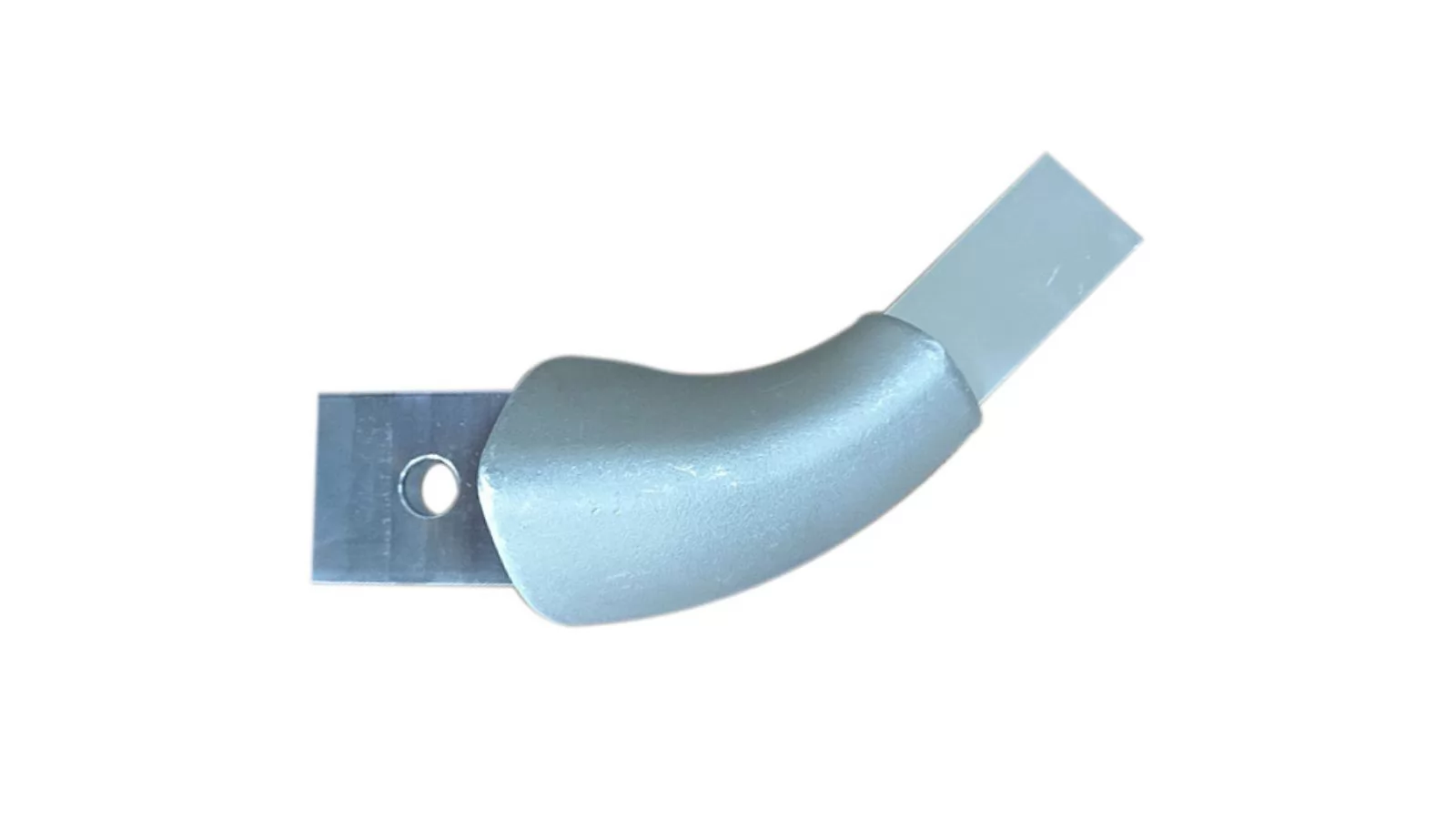
Corrosion resistance claims are easy to make. Salt spray testing is how they get verified.
What the Test Actually Measures
ASTM B117 is the standard most buyers reference. Parts are placed in a sealed chamber and continuously exposed to a 5% sodium chloride fog at 35°C. The clock runs until the specified hour threshold — typically 500h or 1000h for marine-grade components.
Inspectors look for two things: white corrosion products (aluminium oxide deposits) and pitting — small but deep surface craters that indicate active metal loss beneath the surface.
What "passed 500h" actually means: It means no significant corrosion was observed at the 500-hour mark under those specific test conditions — with that specific alloy, treatment, and coating. A casting that passes without a surface treatment, or with a different anodizing thickness, is a different result entirely. Always confirm what was tested, not just the number.
Typical Benchmarks by Treatment
| Alloy & Treatment | Expected Salt Spray Performance | Notes |
|---|---|---|
| ADC12, no treatment | ~200–300h before visible pitting | Not recommended for exposed marine use |
| A356, no treatment | ~400–500h before staining | Acceptable baseline; coating still recommended |
| A356-T6 + Type II anodize | 500–800h typical | Standard marine fitting specification |
| A356-T6 + Type III hard anodize | 1000h+ | Submerged or high-exposure components |
| A356-T6 + conversion coat + powder | 500–1000h depending on powder quality | Common for visible deck hardware |
These are representative benchmarks, not guarantees. Actual results vary with coating thickness, sealing quality, and part geometry.
How to Request Test Evidence
When qualifying a new supplier, ask for salt spray test reports — not just a statement of compliance. A credible report includes the test standard, specimen details, hours run, and inspection findings with photographs.
For critical components, consider requesting first-article salt spray testing on your specific part geometry and specified treatment. Generic coupon data from a supplier's standard samples doesn't always reflect how a complex casting with recesses, threads, or thin walls will perform.
Custom Design Considerations — From Drawing to Cast Part
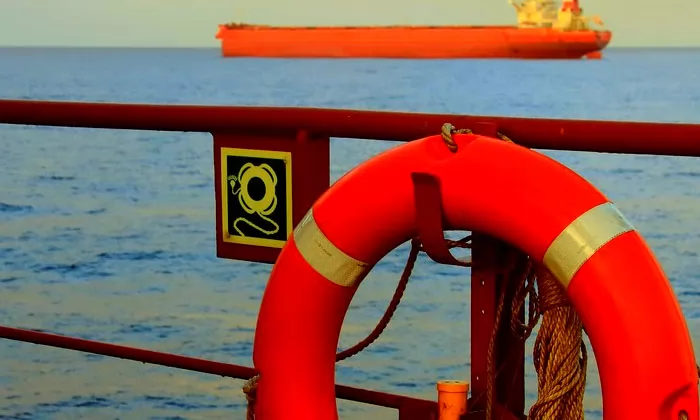
A well-specified alloy and treatment can still underperform if the casting design works against the manufacturing process. These are the geometry decisions that affect both quality and cost.
1. Wall Thickness and Uniformity
Abrupt transitions between thick and thin sections create hot spots during solidification. Metal shrinks as it cools — uneven shrinkage means porosity, sink marks, or internal voids.
For A356 sand casting and gravity die casting, a minimum wall thickness of 3–4mm is generally recommended. More importantly, keep transitions gradual. A 10mm boss sitting on a 4mm wall should taper — not step — between the two.
2. Draft Angles and Demoulding
Every vertical face needs a draft angle to release cleanly from the die or mould. Insufficient draft causes drag marks, surface tearing, and die wear.
- External surfaces: 1–2° minimum
- Internal cores: 2–3° minimum
- Deep pockets or ribs: increase draft proportionally with depth
Parts designed without draft in mind often require expensive EDM corrections to tooling — or arrive with surface defects that only become visible after anodizing.
3. Fillets, Radii, and Stress Concentration
Sharp internal corners are stress risers. In a marine casting subject to vibration and cyclic loading — a propeller hub, a bracket on a working vessel — a sharp corner at a wall junction is a likely crack initiation point.
Specify internal radii of at least 1.5–3mm at all junctions. This costs nothing in design and pays back in fatigue life.
Design review tip: If your supplier doesn't raise any DFM (design for manufacturability) feedback on your first drawing submission, that's worth questioning. A competent foundry will flag wall thickness issues, insufficient draft, and risky geometry before cutting tooling — not after.
4. Machining Allowances and Datum Faces
Cast surfaces are not machined surfaces. If your design requires tight tolerances on bearing bores, mating faces, or threaded features, those areas need machining stock added — typically 1–2mm on each machined face.
Also define your datum faces clearly. A casting that shifts in the fixture because the datum wasn't agreed upfront produces parts that are dimensionally inconsistent across a production run.
What to Look for When Sourcing Custom Marine Castings from China
China produces a significant share of the world's aluminium castings — and the quality range is wide. The difference between a reliable long-term supplier and a costly mistake often comes down to a handful of verifiable factors.
1. Certifications That Carry Weight
ISO 9001 is the baseline — it confirms a quality management system exists, but says little about technical depth. For marine castings, look beyond it:
| Certification | What It Indicates | Relevance to Marine Castings |
|---|---|---|
| ISO 9001 | Quality management system | Baseline — necessary but not sufficient |
| IATF 16949 | Automotive-grade process control | Strong indicator of dimensional consistency and traceability |
| DNV / Bureau Veritas | Marine classification body approval | Directly relevant — confirms marine-specific capability |
| RoHS / REACH | Material compliance | Required for EU market entry |
A supplier holding IATF 16949 has been audited on process capability, measurement systems, and production part approval — disciplines that transfer directly to custom casting quality control.
2. In-House Capabilities to Verify
Outsourced steps introduce variability. A supplier that controls the full process — casting, heat treatment, machining, surface finishing, and inspection — gives you fewer interfaces and clearer accountability.
Key capabilities to confirm in-house:
- Spectrometer analysis (OES) for alloy verification per batch
- T6 heat treatment with furnace calibration records
- CMM or 3D scanning for dimensional inspection
- Salt spray test chamber on-site, or named third-party lab used
- X-ray or CT scanning for internal porosity inspection on critical parts
3. Sampling and Lead Time Expectations
For a new custom casting from China, a realistic timeline looks like this:
| Stage | Typical Lead Time |
|---|---|
| Tooling / mould fabrication | 3–6 weeks |
| First article samples (T1) | 1–2 weeks after tooling |
| Dimensional & material reports | 1 week alongside T1 |
| Revision & T2 (if needed) | 2–3 weeks |
| Production run | 3–5 weeks depending on quantity |
Compressed timelines are possible — but they typically compress the inspection stages, not the casting or tooling stages. Build review time into your schedule before committing to downstream assembly dates.
Red flag to watch for: A supplier who quotes unusually short tooling lead times (under 2 weeks for a complex die) and skips formal first-article inspection (PPAP) is almost certainly cutting corners on both. Tooling quality directly determines dimensional consistency across the entire production life of the part.
Conclusion — Matching the Right Alloy to the Right Application
There's no single answer to marine aluminium casting. There's a combination of decisions — each one compounding the others.
A356-T6 with Type III hard anodizing is the most robust specification for exposed, structural, or submerged components. For protected interior parts, ADC12 with a conversion coating may be entirely sufficient — and more cost-effective.
The point isn't to always specify the highest-performing option. It's to match the specification to the actual exposure conditions, load requirements, and service life expectations of each part.
What creates problems in procurement is under-specification — choosing a standard industrial alloy and treatment for a marine application because it was cheaper at the quoting stage, then absorbing warranty claims, field failures, or accelerated replacement cycles downstream.
A practical starting point: Map each casting in your BOM to its exposure zone — submerged, splash zone, deck-exposed, or interior. Then specify alloy and surface treatment accordingly. This single step eliminates the most common sources of premature corrosion failure in marine assemblies.
If you're sourcing custom aluminium marine castings and want a supplier who can advise on alloy selection, confirm treatment specifications, and provide full material and inspection documentation — we're ready to review your drawings.
0
Comments
Leave a Comment
Your email address will not be published. Required fields are marked *
Name can't be empty
Email error!
Message can't be empty
😍
😜
😳
😌
😄
😘
😝
😒
😃
😚
😚
😛
😟
😧
😀
😉
😓
😱
😤
😣
😂
😥
😩
😠
😢
😭
😰
😨
😡
😆
😪
😅
😐
😇
😋
😴
👿
😕
😏
😷
😵
😟
😮
😯
😑
👧
👴
😧
😬
😾
👶
👱
👵
👸
🙀
👺
👦
👩
👨
😽
😿
🙈
💩
💥
💤
😼
😹
🙉
🔥
✨
💦
👎
✌
👆
👈
💪
💹
👍
👊
💴
💶
💷
💸
👉
💵
🙏
🌎
🏧
👏
💳
👇
💑
🙆
🙅
💁
👫
👭
🙎
🙇
👑
👔
Submit Comment
Most Popular
-
 Jan 30, 2026Aluminum Die Casting Cost Breakdown: From Material to Machining
 -
 Oct 22, 2025Top 10 Aluminium Die Casting Manufacturers and Suppliers in the World
 -
 Oct 29, 2025Top 10 Aluminium Casting Foundries and Companies in China
 -
 Nov 26, 2025Top 10 Aluminium Low Pressure Die Casting Manufacturers in the World 2026


Laster Blogs
-
 Apr 10, 2026Custom Aluminum Electric Motor Castings for EV and Industrial Applications
 -
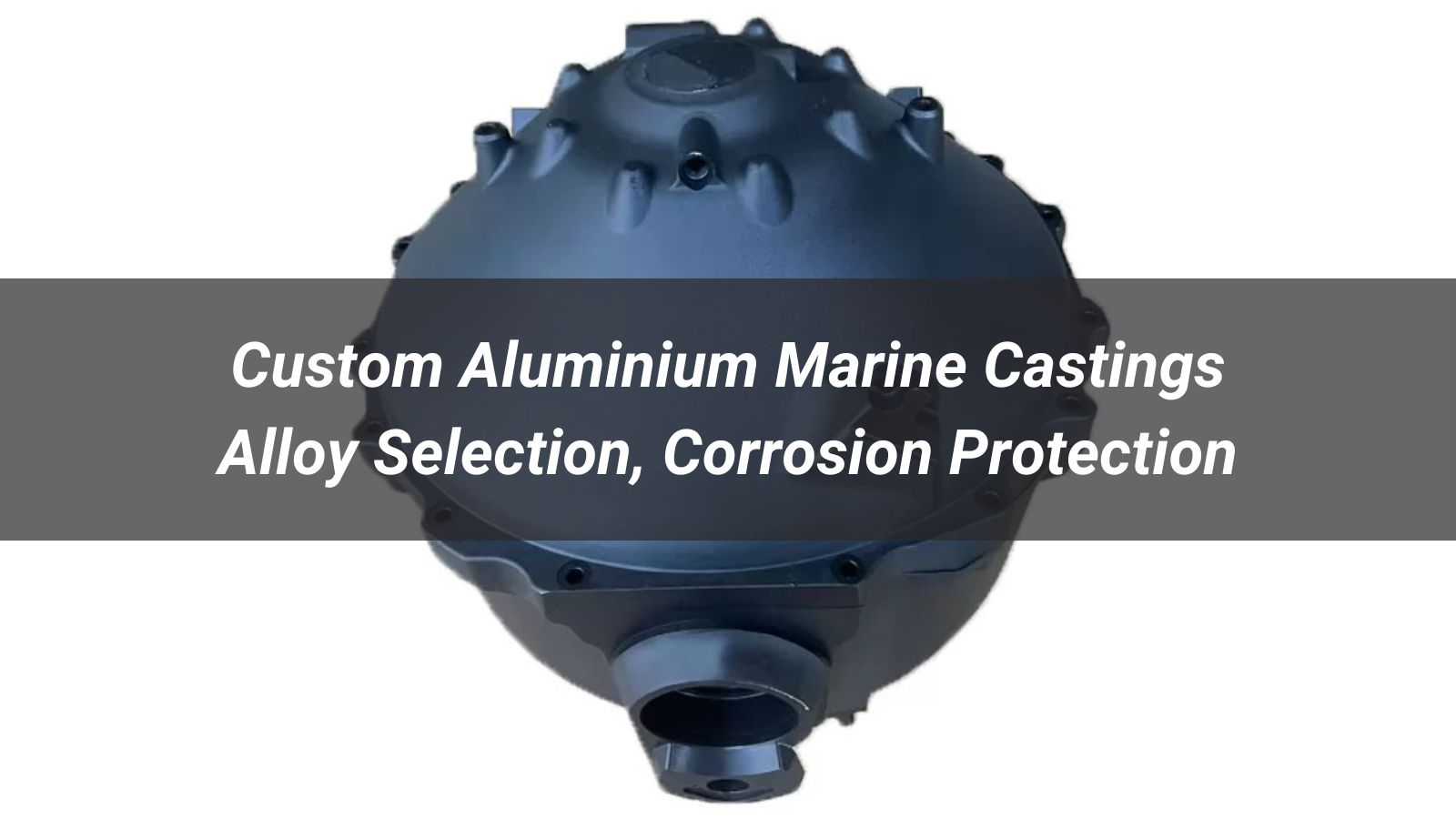 Apr 09, 2026Custom Aluminium Marine Castings: Alloy Selection, Corrosion Protection, and Sourcing Guide
 -
 Apr 08, 2026Custom Automotive Aluminum Castings from China - What Buyers Need to Know
 -
 Mar 31, 2026Cost of Investment Casting: What Buyers and Engineers Need to Know


Send RFQ Today
Name can't be empty
Email error!
Send Your Message
Note: If you are looking for a job, please send an email to it2@innovaw.com