Automotive Die Casting Parts: Complete Guide to Process, Materials & Applications
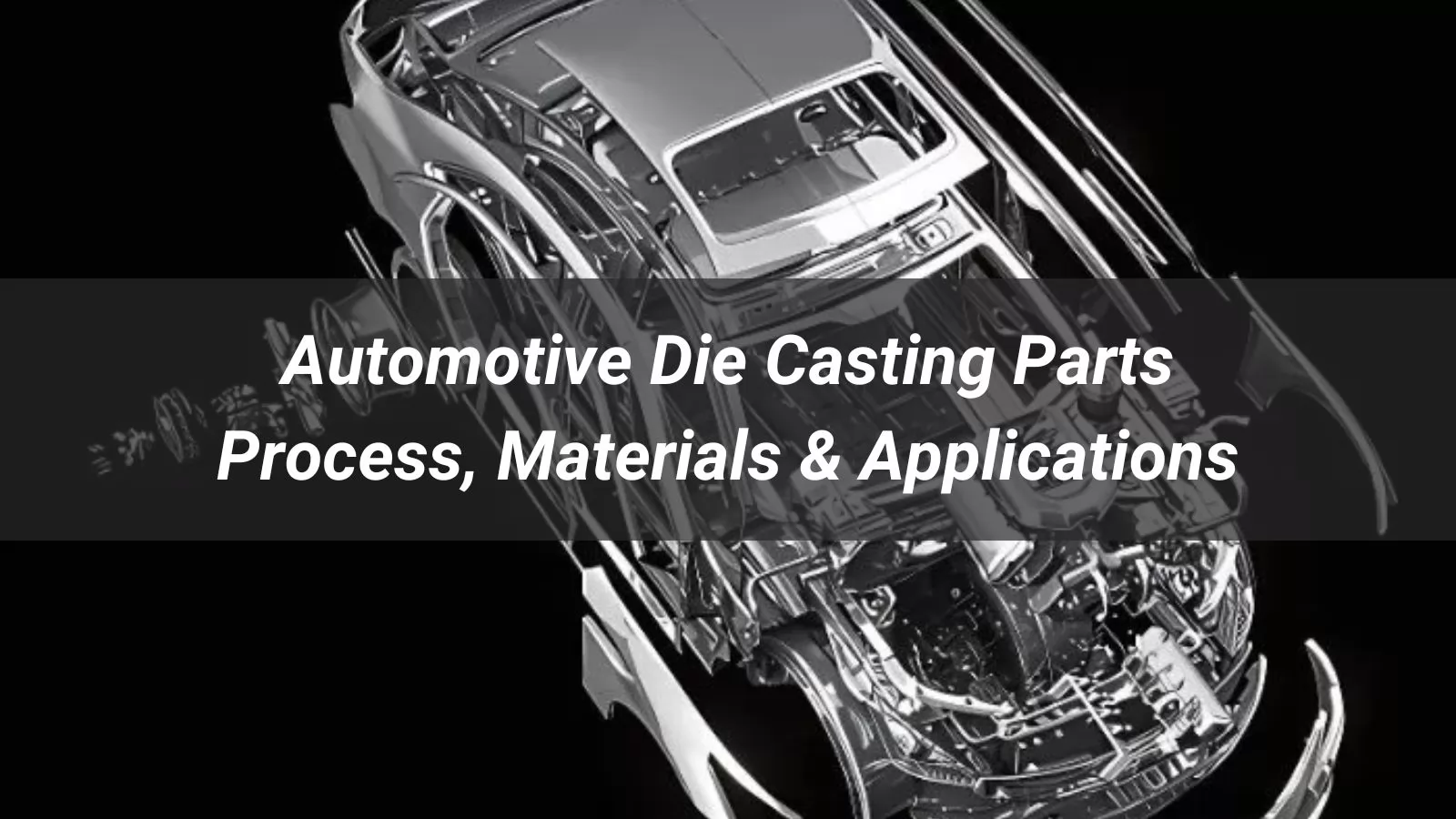
Automotive die casting parts are becoming a cornerstone of modern vehicle manufacturing, driven by the demand for lightweight structures, high precision, and cost efficiency. As global automotive production evolves—especially with the rapid growth of electric vehicles—manufacturers increasingly rely on advanced die casting technologies to deliver complex, high-performance components at scale.
This guide answers key questions about processes, materials, and applications in the die casting in automotive industry, helping readers quickly understand how to select the right solutions in a competitive market. It is especially valuable for:
- Automotive OEMs and Tier 1/Tier 2 suppliers
- Product engineers and design teams
- Sourcing and procurement professionals
- Manufacturers exploring lightweight and high-efficiency components
In this article, we break down the core concepts behind automotive die casting, from materials to manufacturing processes, highlighting why choosing the right approach and supplier is critical—keep reading to gain practical insights and make informed decisions.
Table of Contents
- Why Die Casting Is Rising in the Automotive Industry
- Die Casting Process for Automotive Parts
- Automotive Die Casting vs. Other Manufacturing Processes
- Industry Trends: The Future of Die Casting in Automotive
- How to Choose the Right Automotive Die Casting Suppliers
- Conclusion
- FAQ
Why Die Casting Is Rising in the Automotive Industry
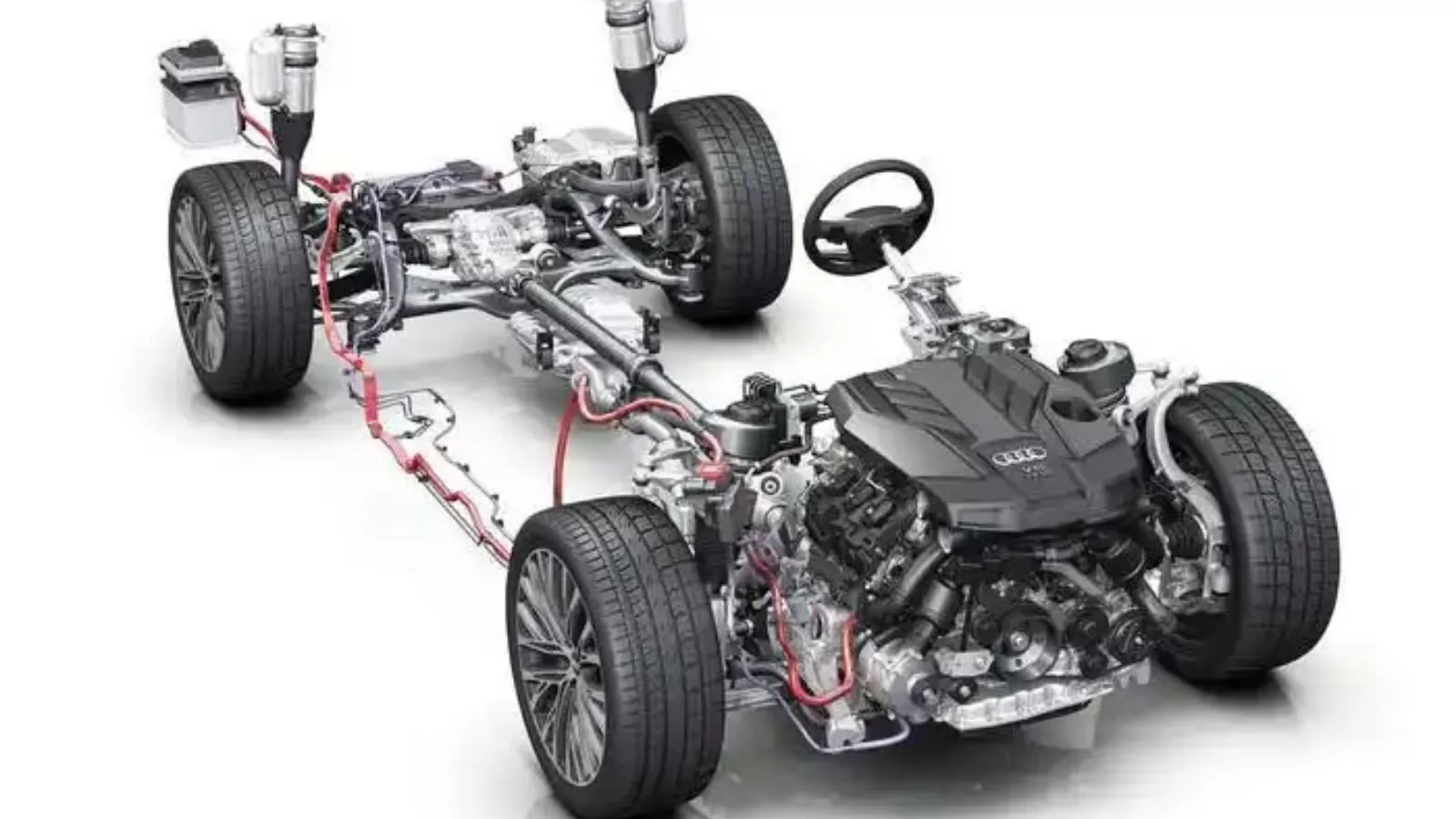
The shift toward die casting in automotive manufacturing isn't accidental — it's driven by a convergence of regulatory pressure, technological advancement, and the rapid rise of electric vehicles.
Lightweighting and Fuel Efficiency Demands
Stricter fuel economy and emissions regulations worldwide are pushing automakers to reduce vehicle weight without sacrificing safety or performance. Automotive aluminum die casting has become the go-to solution: aluminum parts can weigh up to 60% less than their steel equivalents while maintaining comparable strength. For every 10% reduction in vehicle weight, fuel efficiency improves by approximately 6–8%.
The EV Revolution
Electric vehicles place even greater demands on lightweighting. Battery range is directly tied to overall vehicle weight, making die casting in the automotive industry more critical than ever. EV manufacturers now use large-scale aluminum and magnesium die castings for battery enclosures, motor housings, and structural frames. Tesla's "Giga Casting" approach — replacing hundreds of individual parts with a single massive die casting — has signaled a new era for the entire industry.
Automation and Sustainability
Modern die casting lines are highly automated, enabling consistent, high-volume production with minimal human error. At the same time, die casting materials — especially aluminum — are almost infinitely recyclable, supporting automakers' sustainability goals. Reclaimed aluminum requires only about 5% of the energy needed to produce primary aluminum, making casting automotive components a genuinely green manufacturing choice.
Die Casting Process for Automotive Parts
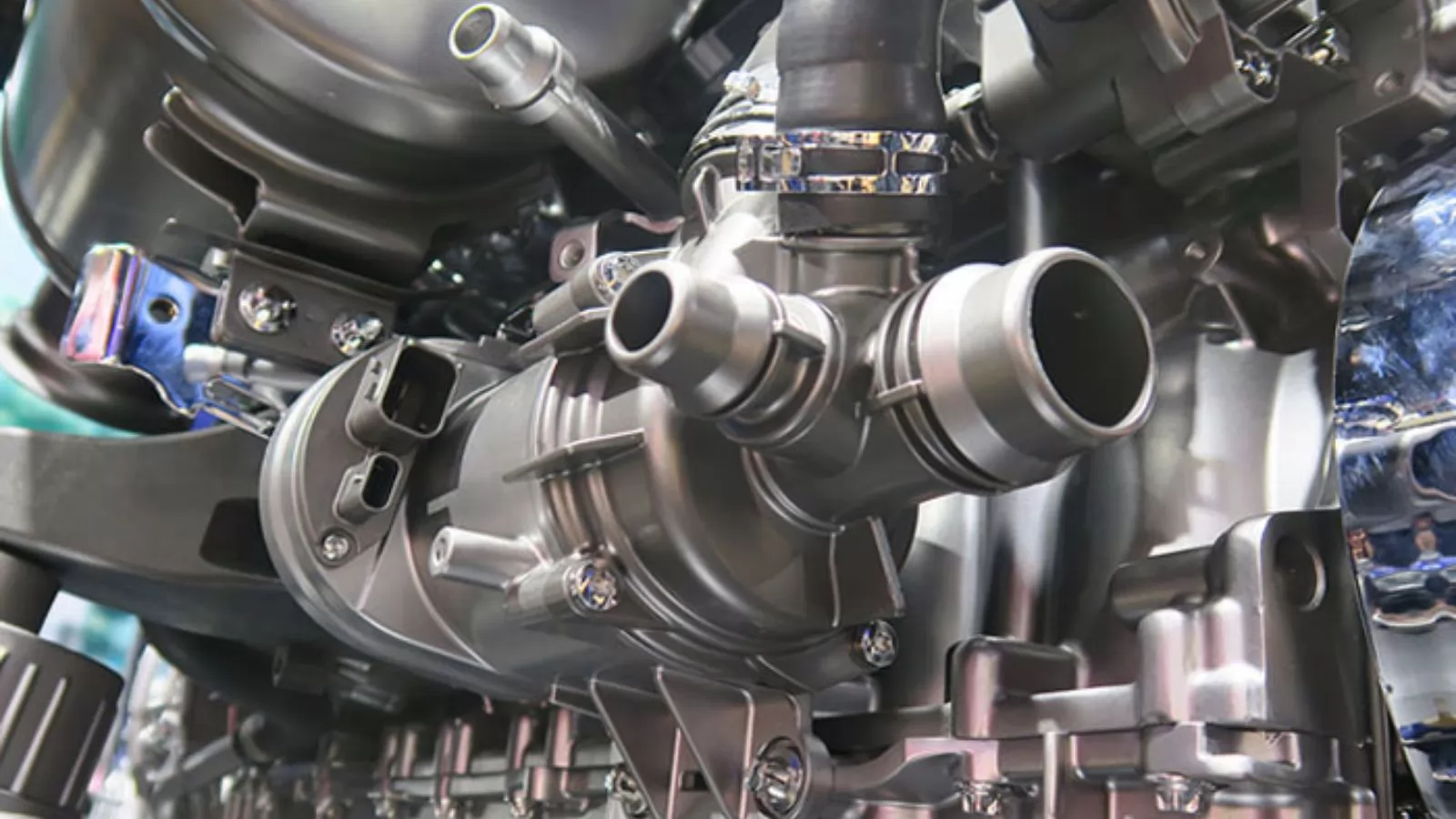
Understanding the process behind automotive die casting helps explain why it produces such precise, reliable components. There are two primary methods — and choosing the right one depends on material, part size, and complexity.
Hot Chamber vs. Cold Chamber Die Casting
The table below outlines the key differences between the two main die casting processes used in automotive parts production.
| Hot Chamber Die Casting | Cold Chamber Die Casting | |
|---|---|---|
| Working Principle | Injection mechanism submerged in molten metal; metal fed directly into die | Molten metal ladled into shot sleeve separately, then injected under pressure |
| Suitable Materials | Zinc, magnesium, lead (low melting point) | Aluminum, copper alloys (high melting point) |
| Injection Pressure | Lower (up to ~35 MPa) | Higher (30–150 MPa) |
| Cycle Speed | Fast — up to 18,000 shots/hour for small parts | Slower due to separate transfer step |
| Part Size | Small to medium components | Medium to large components |
| Typical Automotive Use | Door lock housings, seat belt retractors, decorative trim | Engine blocks, gearbox housings, structural brackets |
| Advantage | High efficiency, low waste, longer die life | Higher strength parts, denser castings, wider material range |
| Limitation | Not suitable for high-melting-point metals like aluminum | Longer cycle time; risk of contamination during transfer |
For most structural automotive castings — including engine blocks and transmission cases — cold chamber die casting is the standard choice due to its compatibility with aluminum alloys and its ability to produce high-density, high-strength parts.
High Pressure Die Casting: Core Advantages & Applications
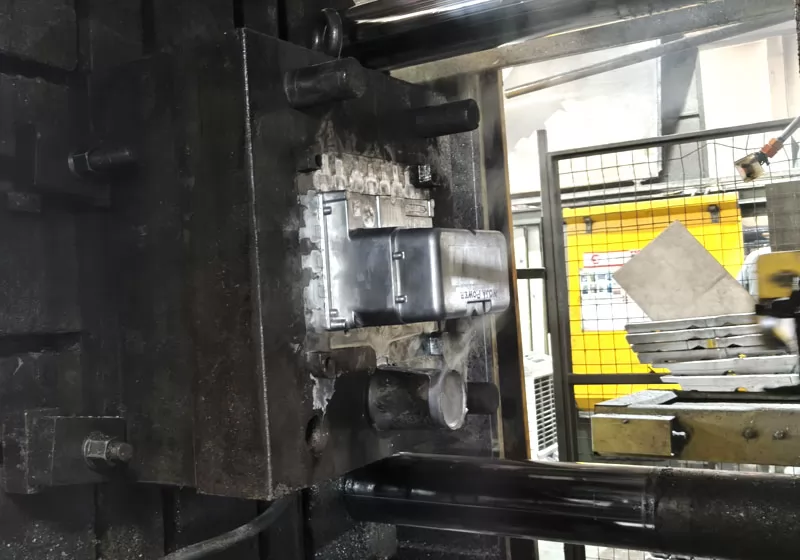
High pressure die casting (HPDC) is the dominant variant used across the automotive industry. Molten metal is injected into a hardened steel die at pressures typically ranging from 70 to 150 MPa, filling the cavity in milliseconds. The result is a dense, dimensionally accurate part with excellent surface finish — often requiring little to no secondary machining.
High pressure die casting components offer dimensional accuracy within ±0.1 mm, wall thicknesses as low as 1.5–2 mm, and cycle times measured in seconds — making HPDC uniquely suited to the high-volume, high-precision demands of automotive production. A single die can produce tens of thousands of parts before replacement, keeping per-unit costs low even for geometrically complex components.
Key HPDC applications in automotive manufacturing include:
- Engine blocks and cylinder heads — precise internal geometries for combustion efficiency
- Transmission and gearbox housings — tight tolerances for accurate gear engagement
- Structural battery enclosures — thin-walled, lightweight, and thermally managed
- Suspension knuckles and control arms — high strength-to-weight ratio under dynamic load
Automotive Die Casting vs. Other Manufacturing Processes
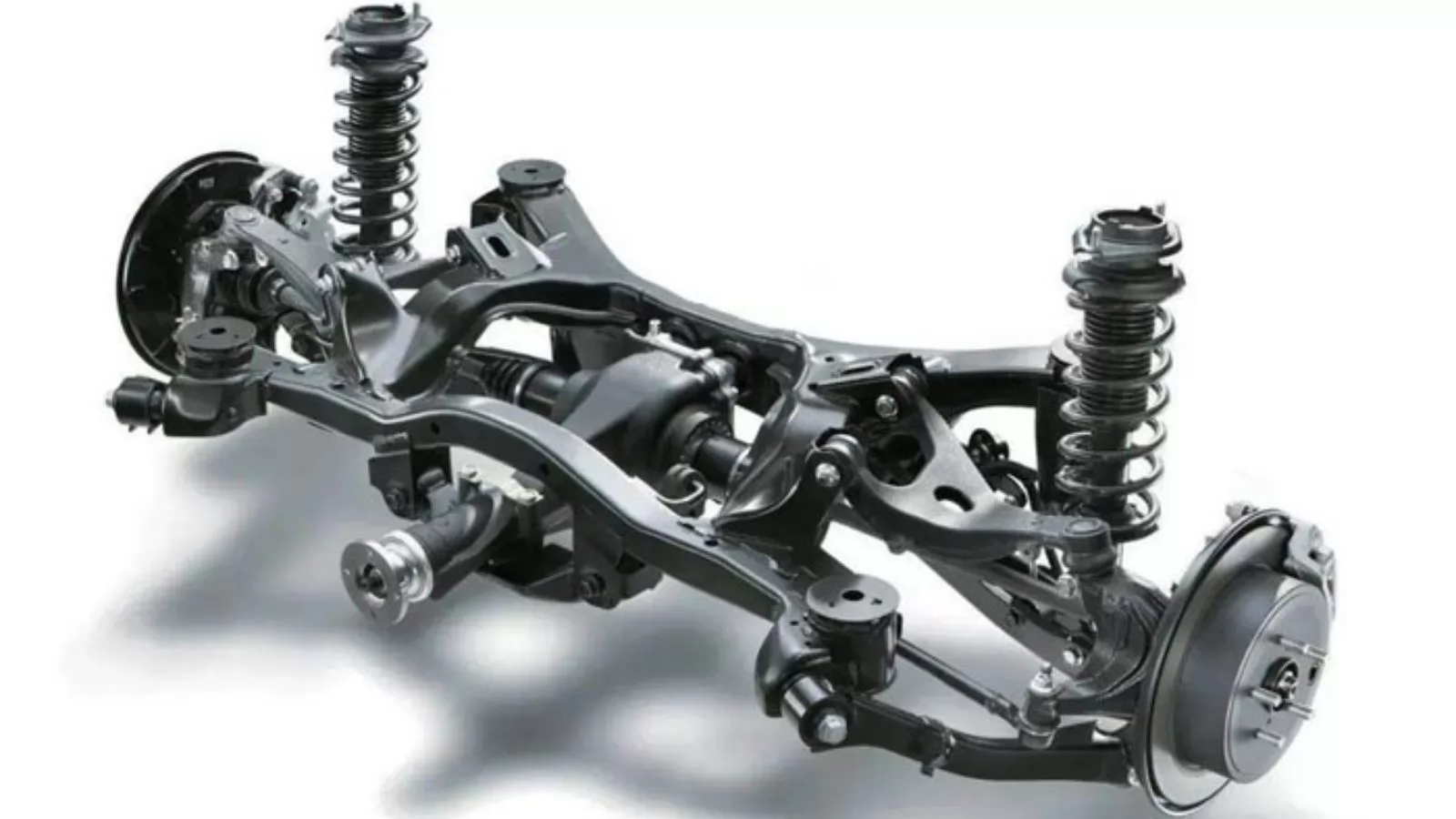
Die casting is not the only way to produce metal automotive components — but for many applications, it is the best. Understanding how it compares to alternative processes helps engineers and procurement teams make the right manufacturing decision for each part.
| Process | Dimensional Accuracy | Surface Finish | Part Complexity | Production Volume | Material Options | Typical Automotive Use |
|---|---|---|---|---|---|---|
| Die Casting | ±0.1 mm | Excellent | High | High volume | Aluminum, zinc, magnesium, copper | Engine blocks, housings, brackets, structural parts |
| Sand Casting | ±0.5–1 mm | Rough | Medium | Low to medium | Wide range incl. ferrous metals | Large, low-volume parts; prototype components |
| Forging | ±0.2–0.5 mm | Good | Low to medium | Medium to high | Steel, aluminum, titanium | Crankshafts, connecting rods, high-stress suspension parts |
| Stamping | ±0.1–0.3 mm | Good | Low (sheet geometry only) | Very high | Steel, aluminum sheet | Body panels, door skins, structural reinforcements |
| Investment Casting | ±0.1–0.25 mm | Very good | Very high | Low to medium | Wide range incl. stainless steel | Complex low-volume parts; turbocharger components |
Each process has its place in the automotive supply chain — but die casting stands out where high volume, geometric complexity, tight tolerances, and lightweight materials intersect. A few practical comparisons illustrate this clearly:
- Die casting vs. sand casting: Sand casting supports a wider range of materials including ferrous metals, and suits large or low-volume parts. But its dimensional accuracy and surface quality fall significantly short of die casting, requiring extensive post-machining. For high-volume aluminum automotive castings, die casting is almost always more economical.
- Die casting vs. forging: Forging produces parts with superior grain structure and fatigue resistance, making it the right choice for highly stressed components like crankshafts and connecting rods. However, forging cannot achieve the geometric complexity of die casting, and tooling costs are high. For brackets, housings, and covers, die casting is the more cost-effective solution.
- Die casting vs. stamping: Stamping excels at producing flat or simple curved sheet metal parts at very high speed — body panels being the prime example. Die casting handles three-dimensional, thick-section components that stamping simply cannot form. The two processes are largely complementary rather than competitive.
Industry Trends: The Future of Die Casting in Automotive
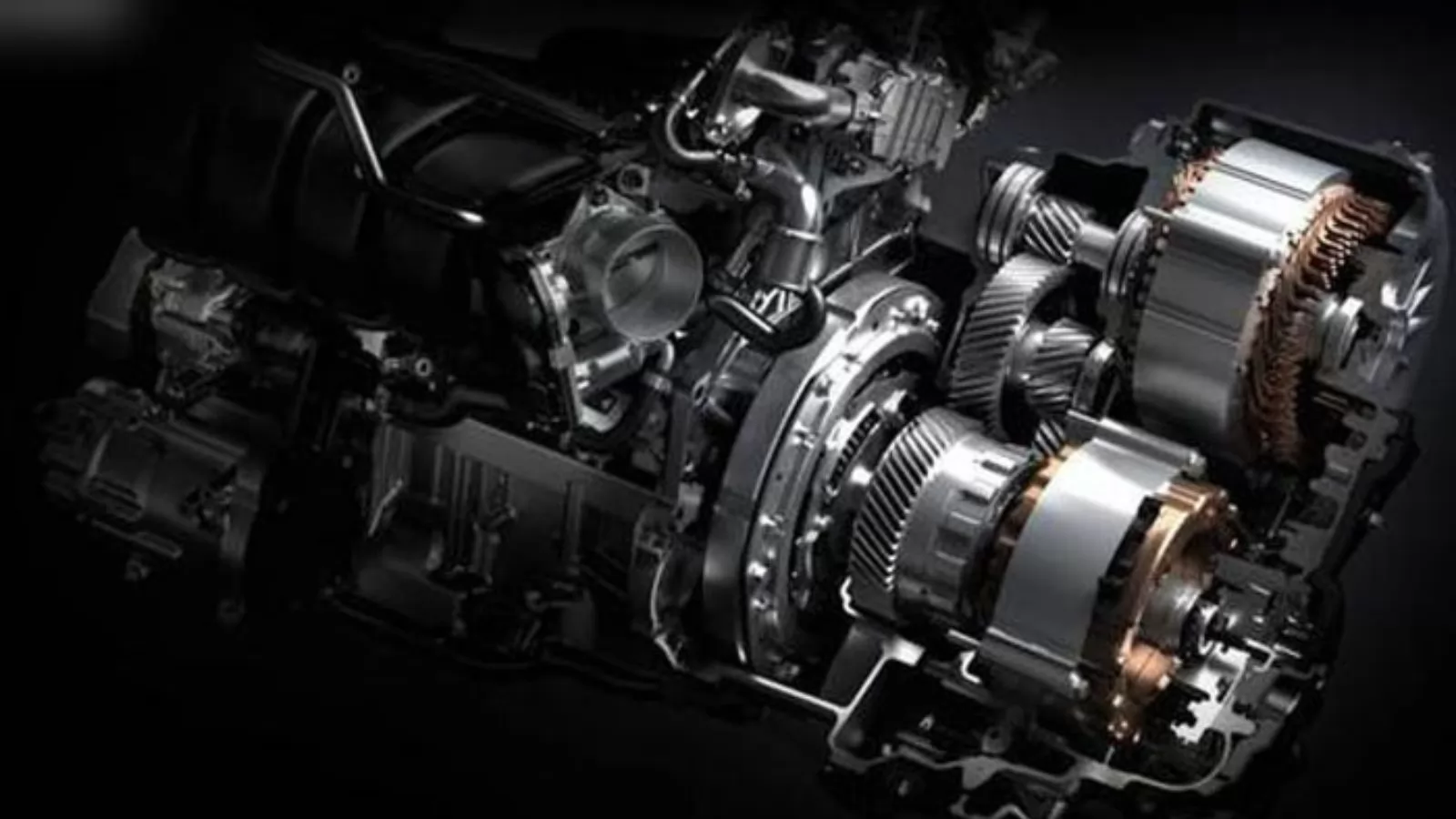
Die casting in the automotive industry is evolving rapidly, driven by electrification, lightweighting demands, and advances in manufacturing technology. Several key trends are reshaping how automotive castings are designed, produced, and sourced.
Giga Casting and Structural Integration
The most transformative trend in automotive die casting is the shift toward large-format, single-piece structural castings. By consolidating what were previously assemblies of 70–100 individual stamped and welded parts into a single high pressure die casting, manufacturers achieve significant reductions in weight, part count, weld points, and assembly time. First adopted for EV underbody structures, this approach is now being extended to front and rear structural modules across multiple vehicle platforms. The technology requires die casting machines with clamping forces of 6,000 to 9,000 tons — a scale that was essentially unavailable to the industry just a decade ago.
EV and NEV Driving Aluminum and Magnesium Demand
Electric vehicles contain significantly more die cast components per vehicle than conventional combustion engine cars. Battery enclosures, power electronics housings, motor end caps, and thermal management plates are all new categories of automotive aluminum die casting demand created by electrification. Magnesium alloys are also gaining traction in EV applications where maximum weight reduction is the priority — instrument panel frames, seat structures, and interior load-bearing components are increasingly specified in magnesium rather than aluminum.
Smart Manufacturing and Automation
Advanced die casting facilities are integrating real-time process monitoring, AI-assisted defect detection, and robotic handling throughout the production cycle. Sensors embedded in dies track temperature, pressure, and fill behavior shot by shot, enabling predictive maintenance and consistent quality at scale. These investments are raising the capability ceiling for die casting automotive parts — making it possible to hold tighter tolerances, reduce scrap rates, and respond faster to design changes.
How to Choose the Right Automotive Die Casting Suppliers
Selecting the right partner is essential to ensure consistent quality, cost efficiency, and long-term success in automotive manufacturing.
1. Technical Capabilities and Process Expertise
A reliable supplier should demonstrate strong technical capabilities and expertise in automotive die casting processes.
For example, suppliers working with EV structural parts often require advanced die casting automotive solutions to produce large, thin-walled components.
2. Material Proficiency
Material selection plays a key role in performance and durability. Leading automotive die casting suppliers should have deep experience with automotive aluminum die casting, magnesium alloys for lightweighting, and zinc alloys for precision parts.
This expertise ensures optimal performance across various automobile casting components.
3. Quality Control and Certifications
Strict quality control is critical. Suppliers should follow standards such as PPAP, APQP, and maintain a strong quality management system.
Below is a quick overview of key quality indicators:
These criteria help ensure consistent product reliability.
| Quality Aspect | Description |
|---|---|
| Certification | IATF 16949, ISO 9001 compliance |
| Inspection Tools | X-ray testing, CMM measurement, leak testing |
| Process Control | Real-time monitoring and defect analysis |
These capabilities are essential for high-performance casting components in automobile systems.
4. Production Capacity and Scalability
Automotive production often involves large volumes, so suppliers must have scalable manufacturing capabilities. Automated production lines and robotics are key indicators of a supplier’s ability to deliver consistent automotive die casting parts.
5. Design and Engineering Support
Top suppliers provide engineering support such as Design for Manufacturability (DFM), prototyping, and simulation. This collaboration helps optimize casting automotive designs and reduce production costs.
6. Cost Efficiency and Supply Chain Reliability
Beyond pricing, consider total cost including tooling, logistics, and lead times. Reliable automotive die casting suppliers ensure stable delivery and minimize risks in the die casting in automobile supply chain.
7. Sustainability and Innovation
Modern suppliers are increasingly focused on sustainability, using recyclable materials like aluminum and improving energy efficiency. Innovation in high pressure die casting components is especially important for electric vehicle platforms.
Conclusion
Automotive die casting has become a key manufacturing solution driven by lightweighting demands, electrification, and the need for high-volume, high-precision production. The article explains how processes such as hot chamber and cold chamber die casting—especially high pressure die casting—enable the efficient production of complex automotive components with excellent dimensional accuracy and surface quality. It also highlights the advantages of commonly used materials like aluminum, magnesium, and zinc, which help improve fuel efficiency, reduce emissions, and support modern vehicle performance requirements.
In addition, the content compares die casting with other manufacturing methods, showing its superiority in high-volume and complex applications, while also outlining major industry trends such as giga casting, EV-driven material demand, and smart manufacturing. Finally, it emphasizes the importance of selecting reliable suppliers with strong technical capabilities, quality control systems, and scalability, as this directly impacts the performance, cost, and long-term success of automotive casting components in an increasingly competitive and evolving market.
FAQ
What are automotive die casting parts?
Automotive die casting parts are metal components produced by injecting molten metal into molds under high pressure. These parts are widely used in engines, transmissions, and structural systems.
Why is automotive aluminum die casting so popular?
Automotive aluminum die casting is popular due to its lightweight properties, corrosion resistance, and excellent thermal conductivity, making it ideal for improving fuel efficiency and EV performance.
What is the difference between die casting and other casting automotive processes?
Compared to other casting automotive methods, die casting automotive offers higher precision, better surface finish, faster production, and reduced post-processing.
What are high pressure die casting components?
High pressure die casting components are parts produced using high-pressure injection, allowing for complex shapes and high dimensional accuracy.
How do I choose reliable automotive die casting suppliers?
You should evaluate suppliers based on technical expertise, certifications, production capacity, and experience in casting components in automobile applications.
What materials are commonly used in automotive castings?
Common materials include aluminum alloys, magnesium alloys, zinc alloys, and copper alloys, each suited for different automotive applications.
0
Comments
Leave a Comment
Your email address will not be published. Required fields are marked *
Name can't be empty
Email error!
Message can't be empty
😍
😜
😳
😌
😄
😘
😝
😒
😃
😚
😚
😛
😟
😧
😀
😉
😓
😱
😤
😣
😂
😥
😩
😠
😢
😭
😰
😨
😡
😆
😪
😅
😐
😇
😋
😴
👿
😕
😏
😷
😵
😟
😮
😯
😑
👧
👴
😧
😬
😾
👶
👱
👵
👸
🙀
👺
👦
👩
👨
😽
😿
🙈
💩
💥
💤
😼
😹
🙉
🔥
✨
💦
👎
✌
👆
👈
💪
💹
👍
👊
💴
💶
💷
💸
👉
💵
🙏
🌎
🏧
👏
💳
👇
💑
🙆
🙅
💁
👫
👭
🙎
🙇
👑
👔
Submit Comment
Most Popular
-
 Jan 30, 2026Aluminum Die Casting Cost Breakdown: From Material to Machining
 -
 Oct 22, 2025Top 10 Aluminium Die Casting Manufacturers and Suppliers in the World
 -
 Nov 26, 2025Top 10 Aluminium Low Pressure Die Casting Manufacturers in the World 2026
 -
 Nov 21, 2025Top 10 Precision Aluminium Investment Casting Factories and Manufacturers in China


Laster Blogs
-
 Mar 25, 2026Die Casting Porosity Guide: Causes, Types, Standards and How to Reduce It
 -
Mar 24, 2026Top 10 Precision Aluminium Investment Casting Factories and Manufacturers in China
-
 Mar 24, 2026Top 9 High-Precision Zinc Pressure Die Casting Manufacturers in China
 -
 Mar 24, 2026Top 10 Aluminium Sand Casting Foundries in China for Precision & Industrial Castings


Send RFQ Today
Name can't be empty
Email error!
Send Your Message
Note: If you are looking for a job, please send an email to it2@innovaw.com